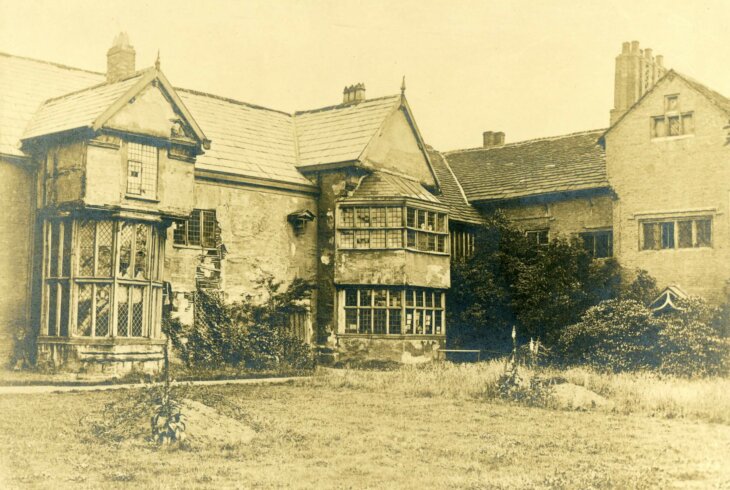
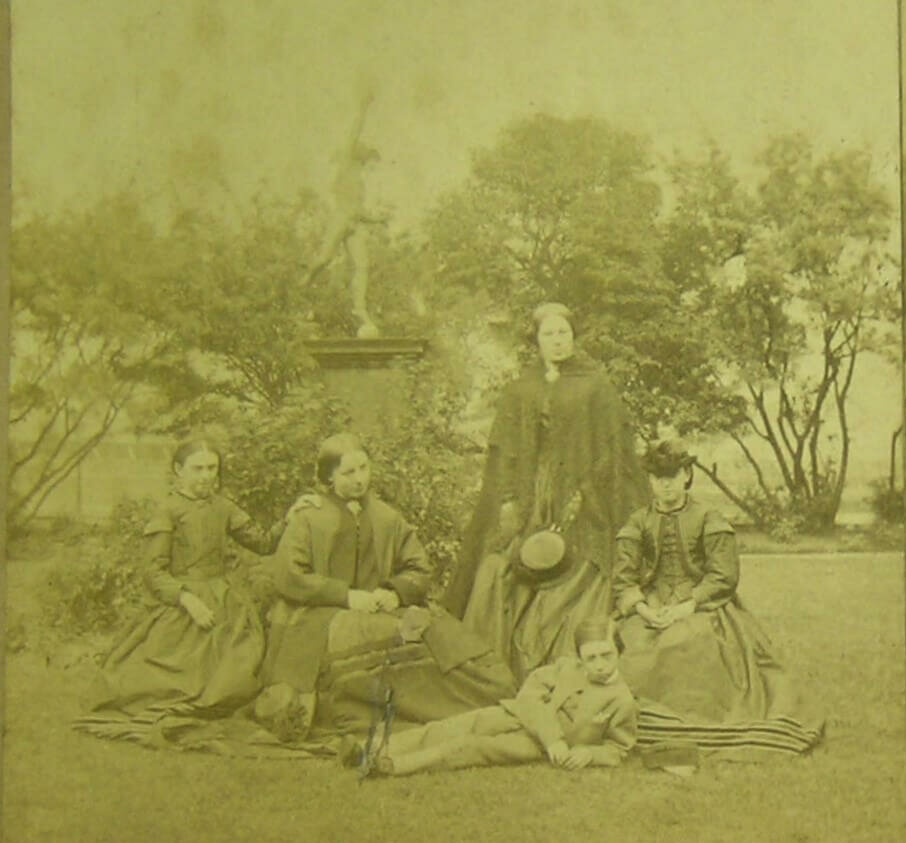
In 1758, Ordsall Hall passed to the Egerton family of Tatton. The Hall was divided into separate residences and rented out to tenants.
In 1780, the occupants were a cotton merchant called Joseph Ryder and Richard Alsop, who was innkeeper of the Bull’s Head Inn in Manchester.
From 1815 until 1871 the main tenants were the Markendale family. They were prosperous local butchers. In 1849, the area around the Hall was open fields, but its nearest neighbours were a chemical and dye works and a paper mill. The area quickly started to change into an industrial area. In the early 1900s the area of Ordsall was described as “a wilderness of mean and dirty streets”.
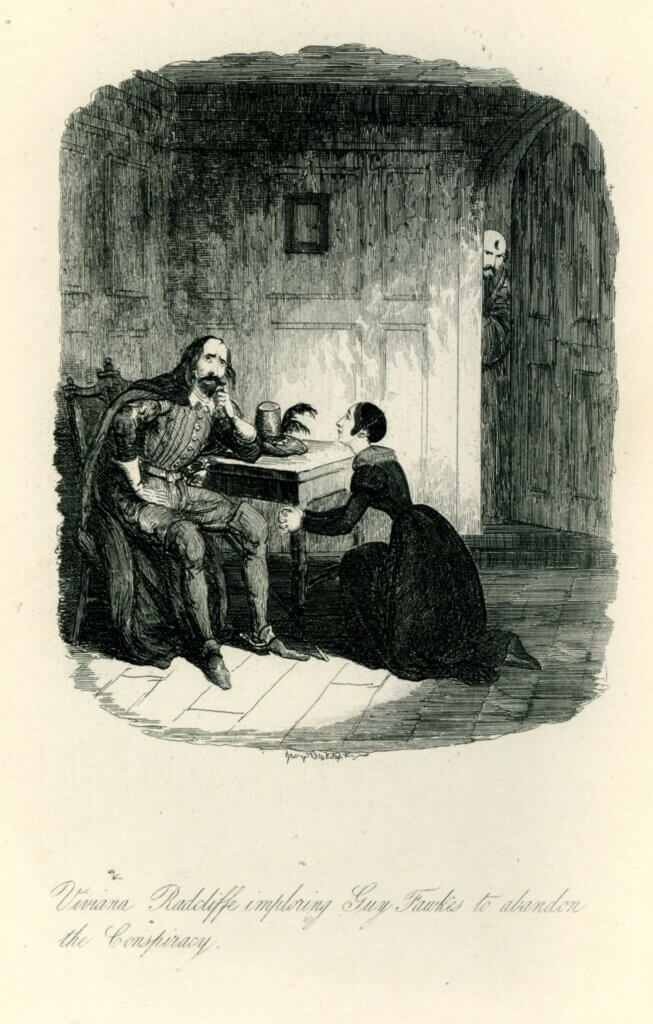
In 1841 the novelist William Harrison Ainsworth (1805-1882) wrote a novel called ‘Guy Fawkes’.
It is set in 1605 and tells the (fictional) story of Guy Fawkes and Robert Catesby devising the Gunpowder Plot at Ordsall Hall. They aimed to blow up the Houses of Parliament and overthrow King James I.
One of the characters in the novel is the 18 year old Viviana Radclyffe who is secretly being wooed by Robert Catesby. Whilst he is at the Hall he meets Guy Fawkes, who has come to secure the support of the Radclyffes in his plot to overthrow the King. The Hall is raided by officers who have come to arrest a Roman Catholic priest hiding at the Hall. Viviana, Catesby, Fawkes and the priest are all rescued by Humphrey Chetham who uses a secret passage to take them to a summer house in the grounds. From there, they escape through Old Trafford to Chat Moss.
In the novel, Humphrey Chetham is in love with Viviana, but differences in their religious faiths make it impossible for them to marry. The story ends with Humphrey, true to his love, dying unmarried.
Many people over the years have believed the tale but there is no evidence of any truth in it. However the story has cast a romantic myth around the Hall. So much so that the road next to the Hall is called ‘Guy Fawkes Street’!
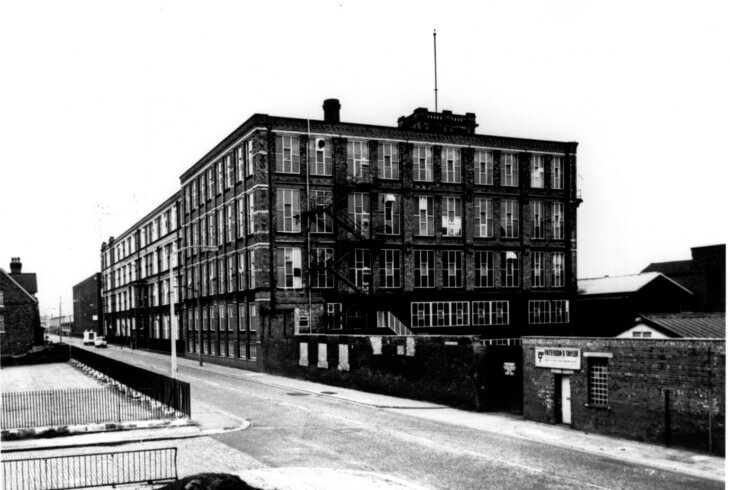
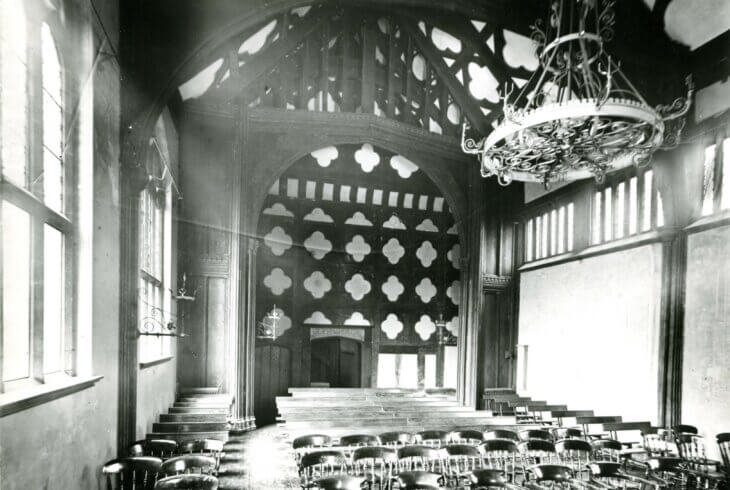
In 1875 Ordsall Hall was rented to Haworth’s Mill for use as a Working Men’s Club. Haworth’s Mill once faced the Hall on the other side of Ordsall Lane.
The Great Hall became a gymnasium, and there were billiard tables, a skittle alley and a bowling green.
For a small fee, members had the run of the Hall and were entitled to hearty meals and could play bowls and billiards. In 1876, the Salford Chronicle stated that:
“… In short, the fortunate members of Messrs. Haworth’s works have all the privileges of an aristocratic mansion without its expense.”
Part of the Hall was managed by the Wesleyan Home Mission. An infant school was established on weekdays, and a Sunday School at the weekends, and it became a preaching station in the evenings.
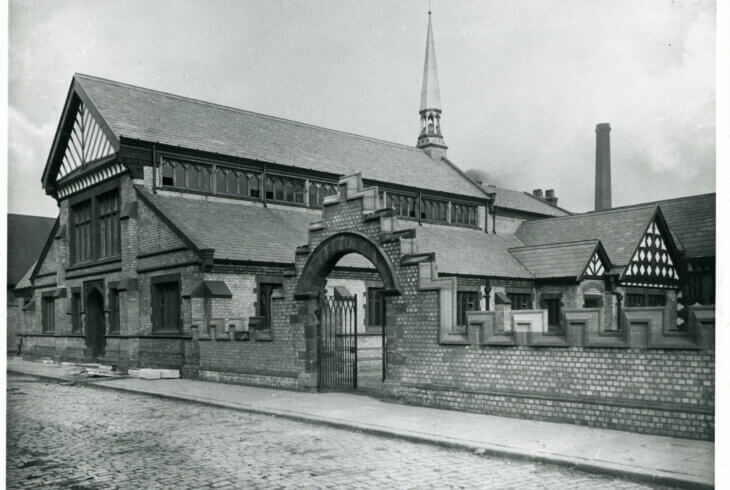
When Haworth Mill’s lease ran out in 1896, Earl Egerton of Tatton decided to convert the Hall into a Clergy Training School affiliated to the Church of England.
The Hall was in an appalling condition so he employed the Manchester architect Alfred Darbyshire (1839-1908) to restore it. The work cost £6,000.
St. Cyprian’s Church was built in the grounds of the Hall as part of the 1896 restoration. It was demolished in the late 1960s due to subsidence.
The 1639 brick wing of the Hall was the only part left relatively untouched by this restoration.
During the First World War, part of Ordsall Hall’s gardens were divided into allotments.
In the 1920s, the Hall was used as a community house and job centre to keep people off the streets. During the Second World War two large huts in the garden were used by the Air Training Cadets.
The building was put to various uses connected with the war effort; at one stage it was being used as a detection centre for bombers going to the docks, part was used as a wireless station (and was damaged by fire), while other areas of the building were badly shaken by bombing.
In 1959, Ordsall Hall was purchased by Salford Corporation from the executors of Baron Egerton of Tatton. Following major restoration work, it was opened to the public in April 1972.
In 1959, Ordsall Hall was the subject of a council vote about whether or not to save it from demolition. 30 councillors voted to save it, 18 voted to pull it down – with one opposition speaker describing it as “a heap of rubbish.”
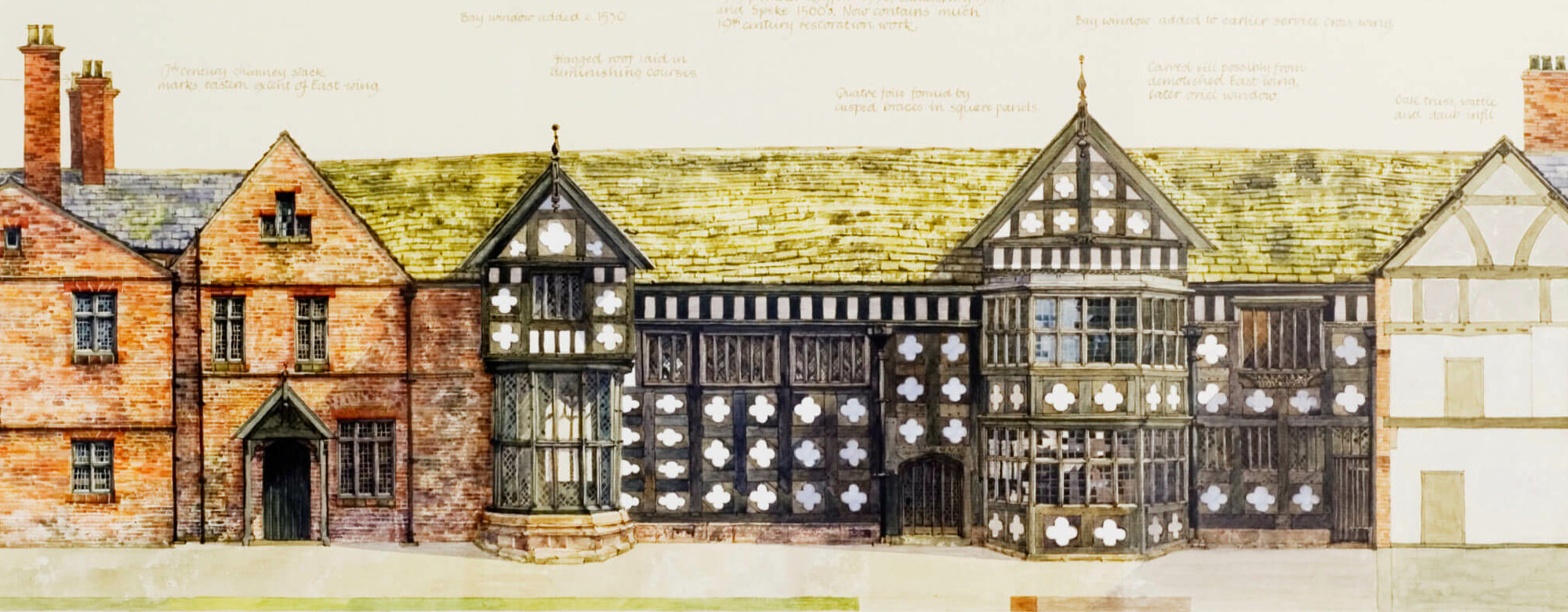
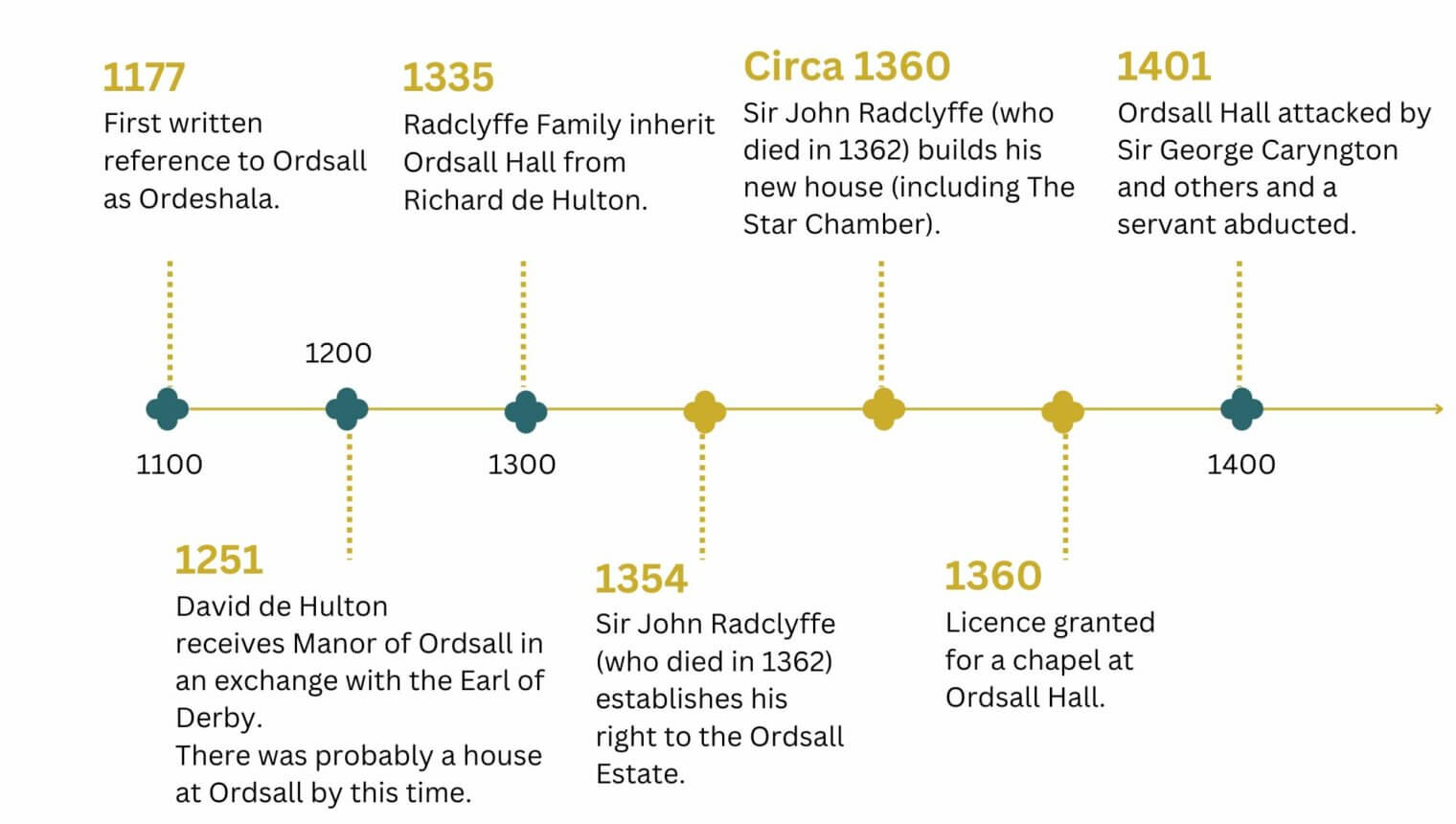
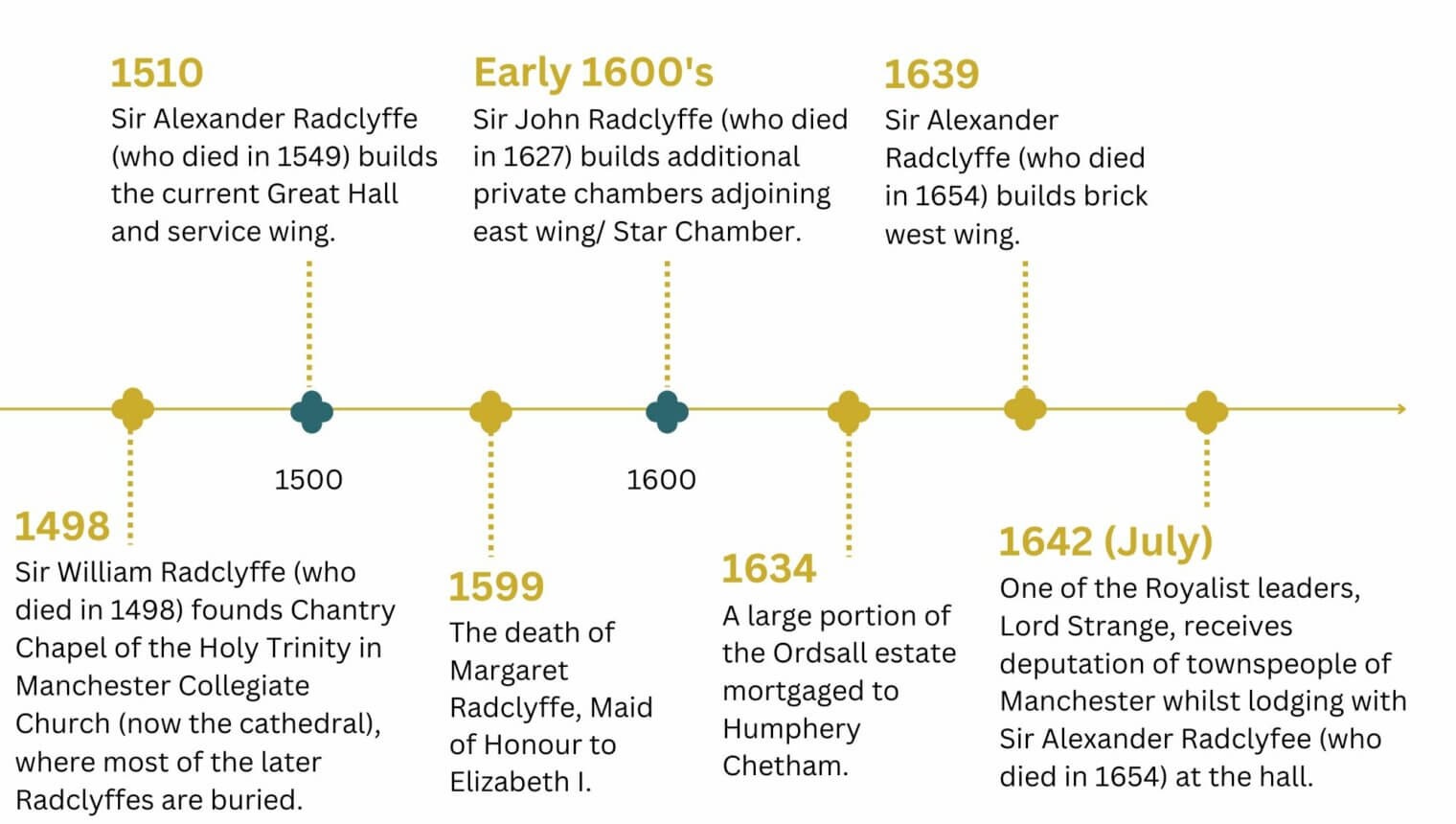
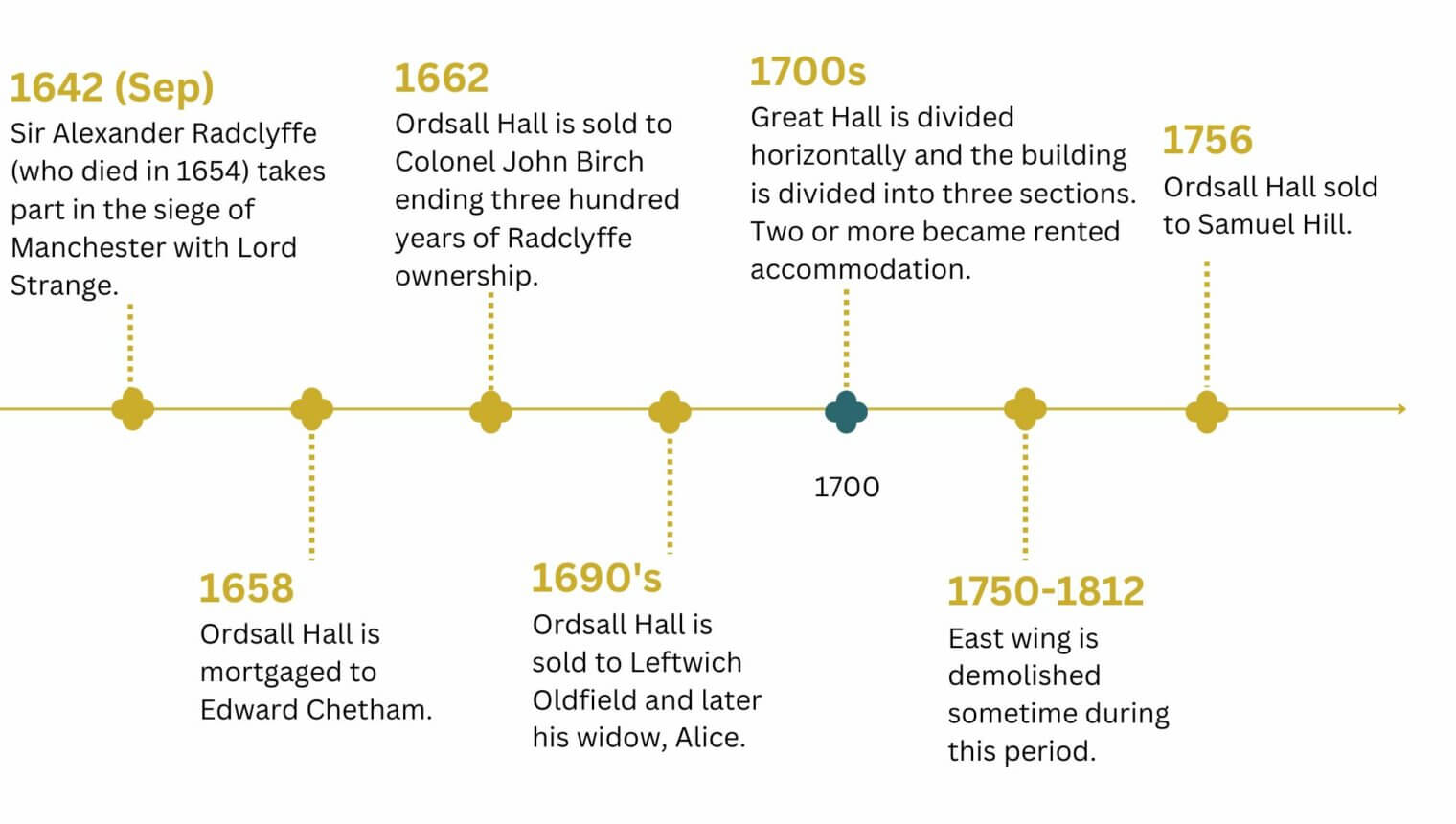
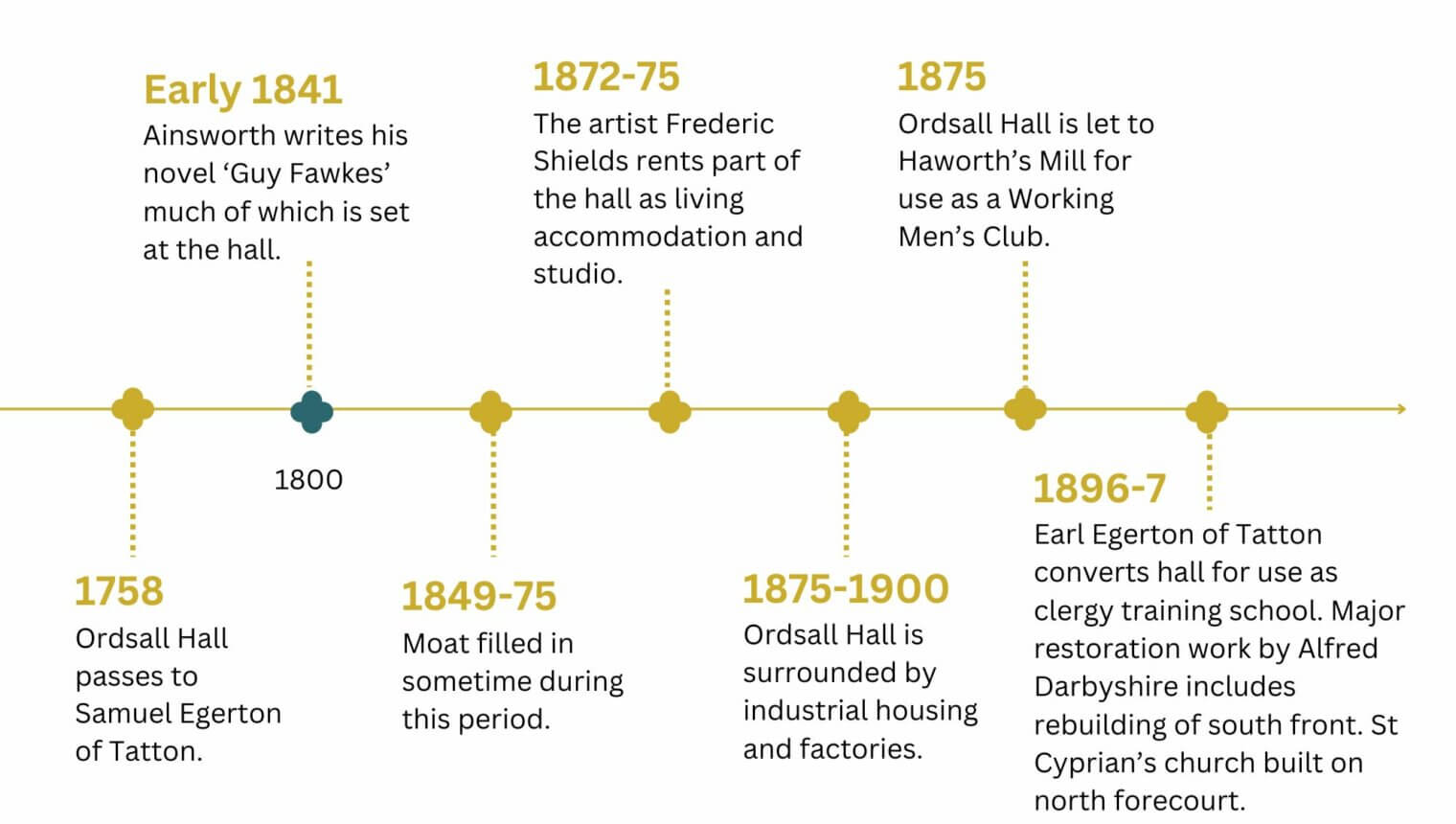
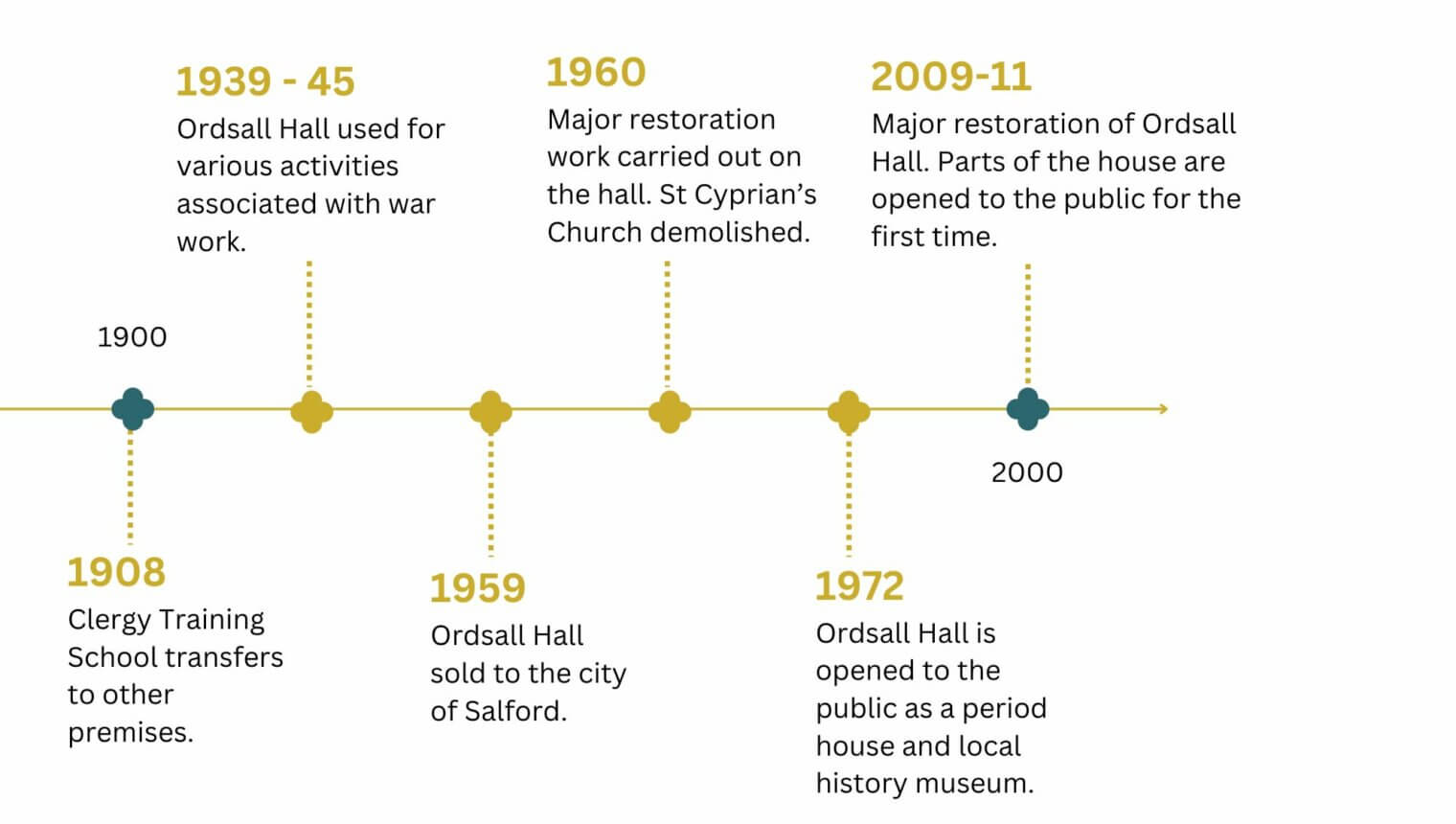
The diagram below shows the history of Ordsall Hall from the 1100s to the present.
Sign up to the Salford Community Leisure mailing list and be the first to find out about our latest news, offers and forthcoming events across our services.