With over half of the adult population in the UK owning a pet, what is it about animals that is so appealing? Throughout time the lives of humans and animals have been closely connected. Explore this exhibition to find out about some of these relationships, whether working or domestic, sporting or for entertainment.
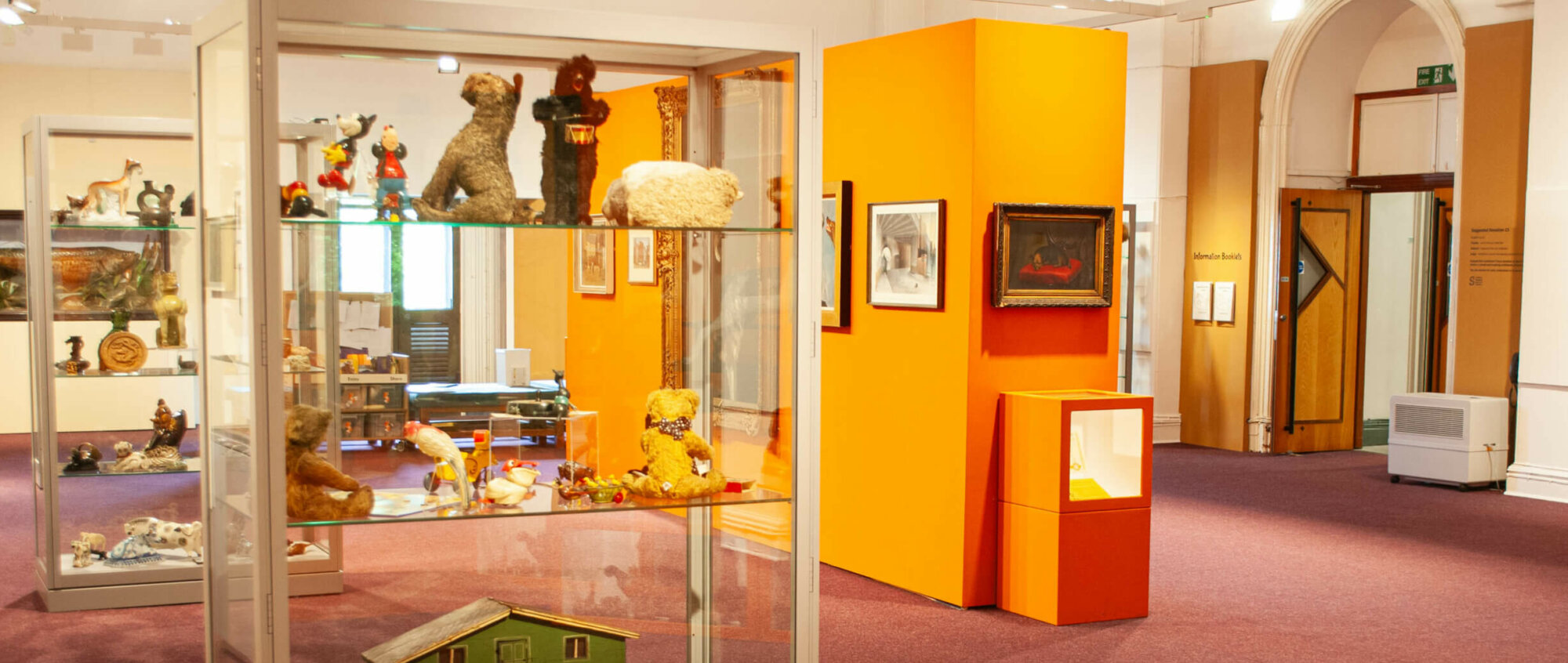
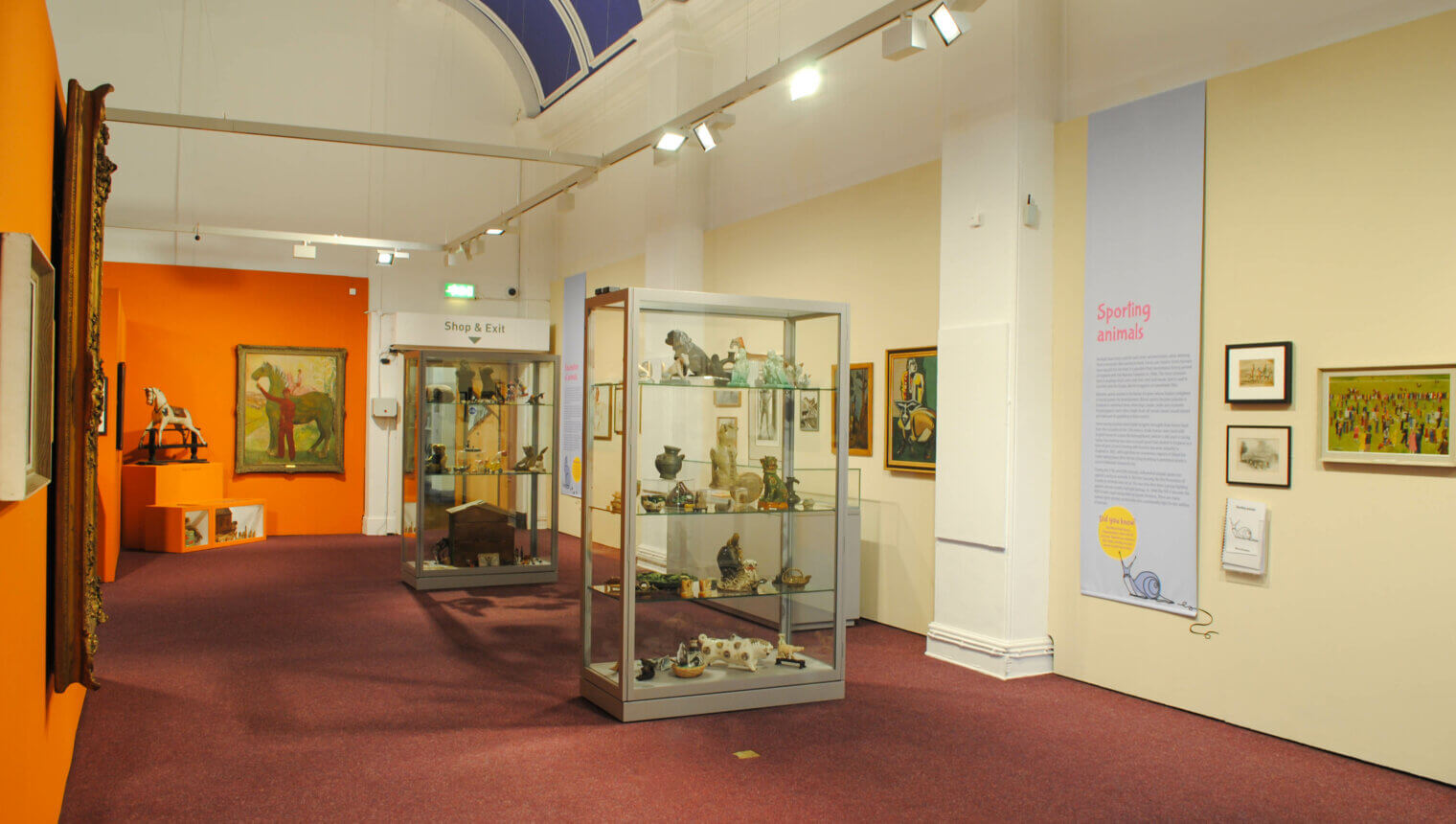
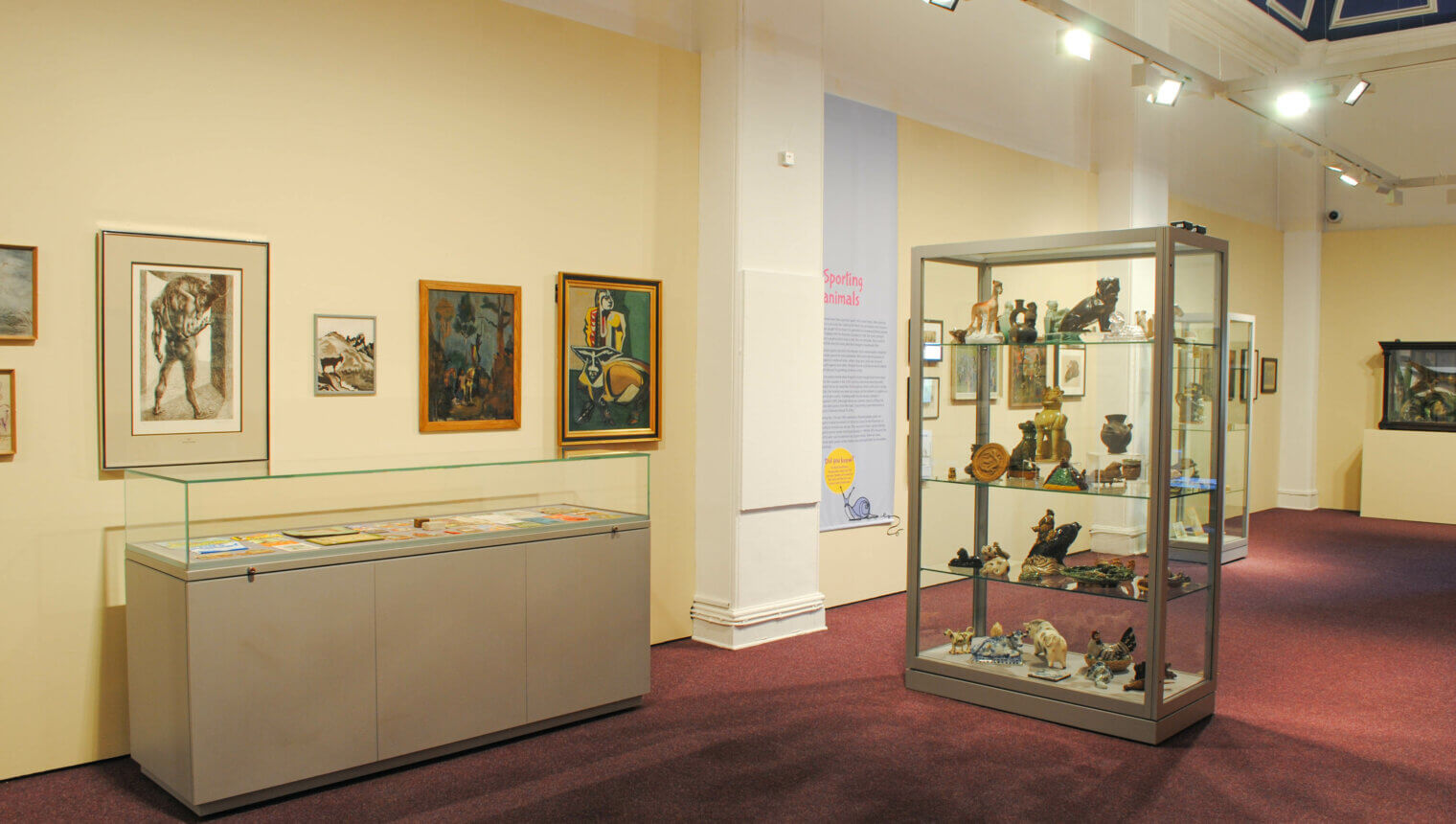
This is an online exhibition, displaying some of the highlights from Salford Museum and Art Gallery’s ‘Animals’ exhibition, which was on display in the Langworthy Gallery from May 2023-April 2024. All the artwork and objects in this exhibition are from Salford Museum and Art Gallery’s collections. Each section to brings together an eclectic range of intriguing treasures rarely seen on display.
Do you have a favourite animal? Keep an eye out for them as you explore this exhibition.
The human animal relationship began over 150,000 years ago when nomadic hunter gatherers used animals for their meat, bones and skins. As humans evolved and started to form settlements, domestication of animals began for assistance, protection and food.
It is thought the dog was the first animal to be domesticated. Humans adopted wolf cubs or let less fierce wolves into their groups to help with guarding and hunting. Over hundreds of years selective breeding has been used to obtain the most desirable qualities, whether that be behaviour, look, intelligence or health. Today there are over 400 dog breeds recognised by kennel clubs across the world.
The Egyptians are usually credited with domesticating the wild cat. They raised cats from kittens to protect grain stores from rats and mice. Cat domestication was important to agricultural societies because of the cat’s instinct to catch rodents.
Pet keeping in England started as a frivolity by aristocratic ladies keeping small dogs. By the 19th century it was more common across all classes to own a pet. The Victorians thought home should be a sanctuary away from industrial life and animals appear in paintings portrayed as part of the family.
From the 1920s more emphasis was put on creating a good relationship with pets, instead of just caring for them. Vets, pet food and animal toy companies grew. Animal experts saw the importance of training as a way to forge a meaningful bond for the benefit of both pet and owner.
Research has shown that pets can lower blood pressure, reduce stress and raise oxytocin levels, enriching people’s lives.
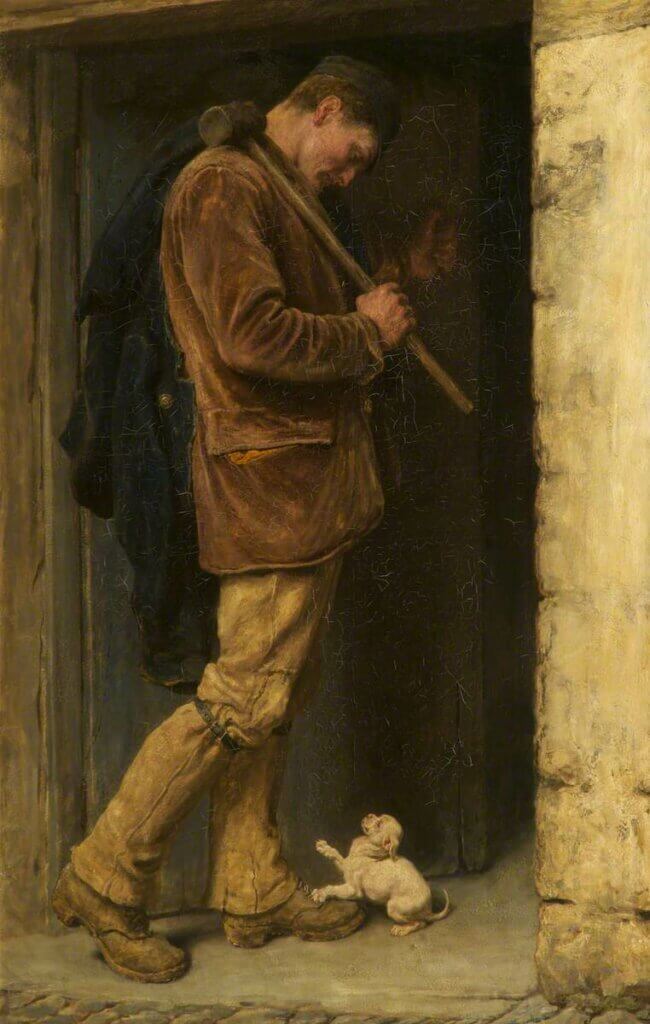
Briton Riviere (1840-1920)
Oil on canvas
Riviere was a British artist who devoted much of his life to painting animals, many of which show the connection between man and beast.
We wanted to display this painting in our Royal Academy exhibition in 2018 but were unable to as it had some damage. We have recently been able to restore the painting with money raised through our ‘Display Restore Enjoy’ fundraising initiative. Thank you to all our visitors who contributed.
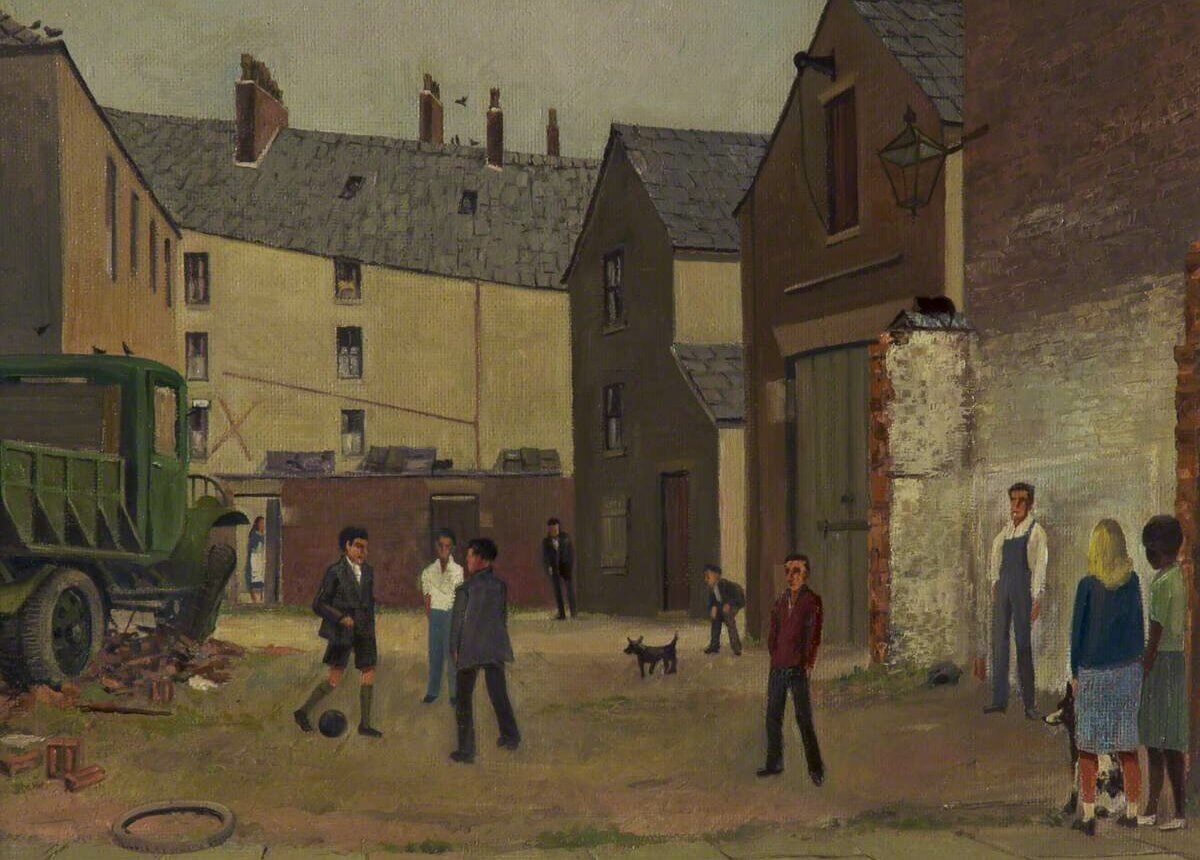
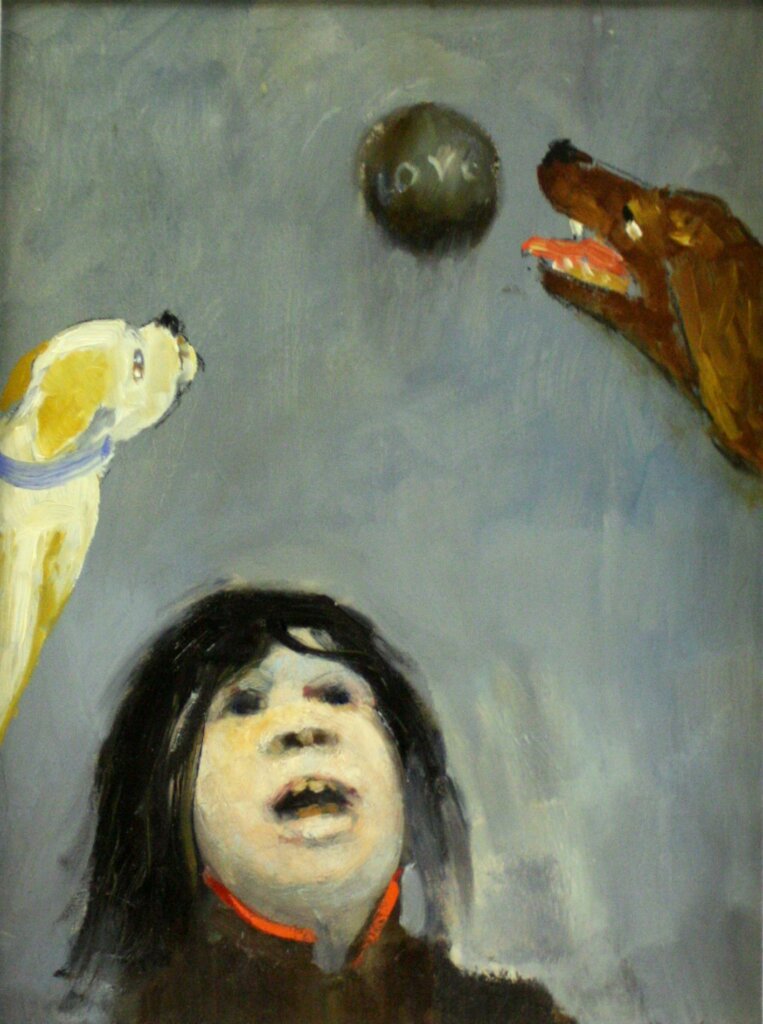
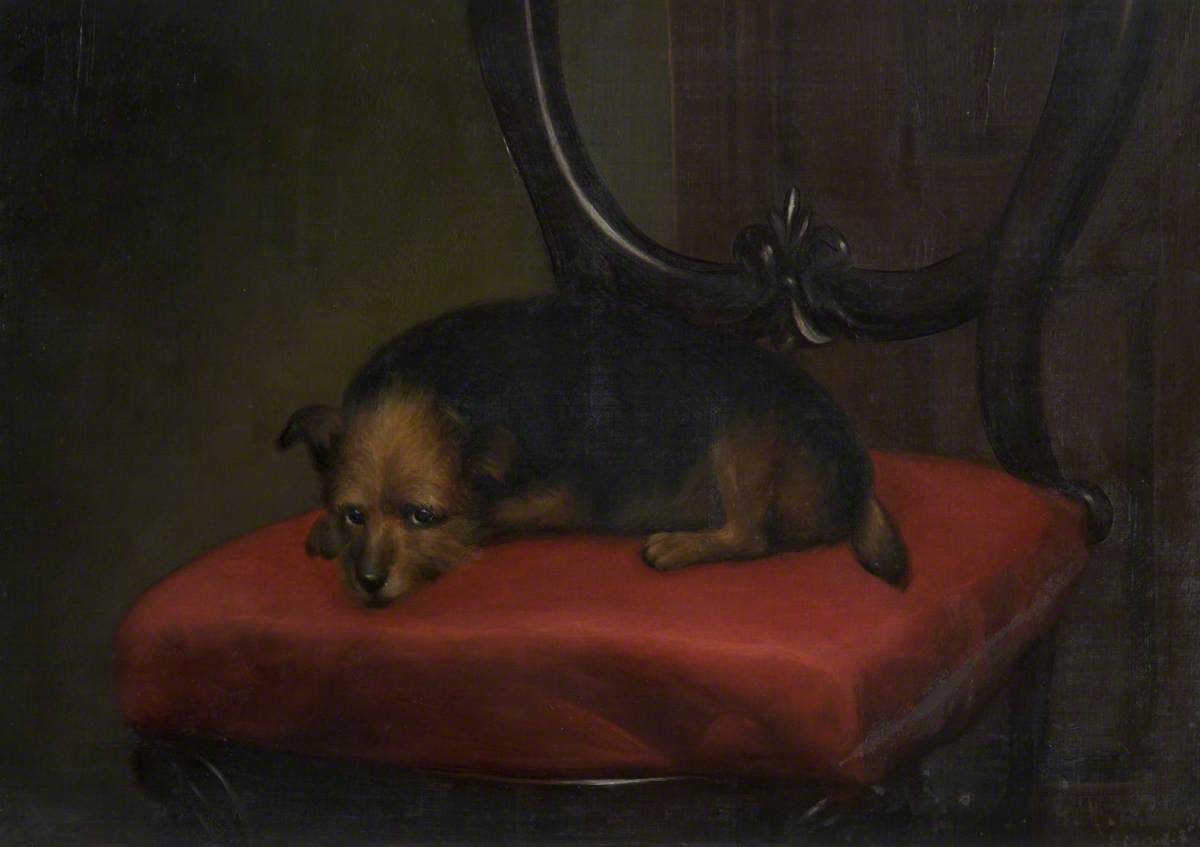
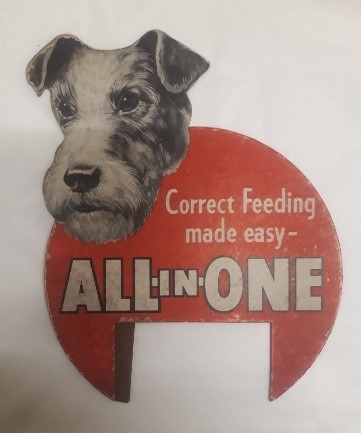
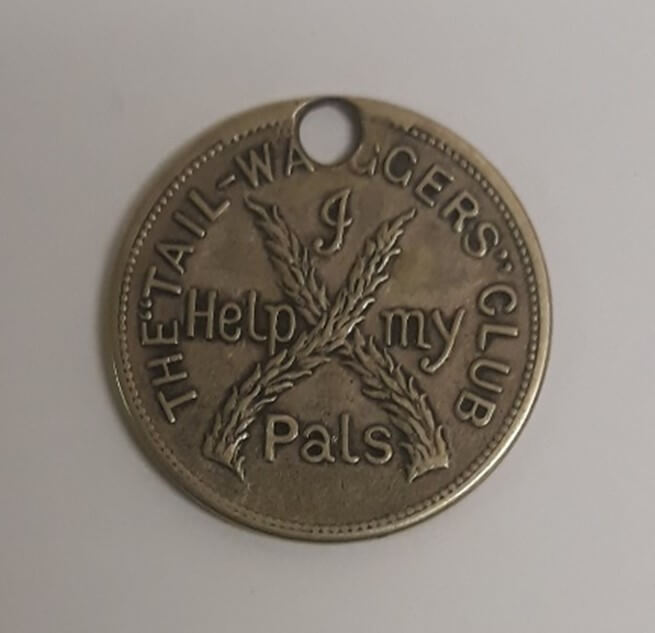
1930s
The Tail-Waggers Club was founded in 1928 to provide funds to the Royal Veterinary College to support their work. It proved very popular and was soon able to offer financial support to the newly formed Guide Dogs for the Blind. At its height in the 1930s there were almost a million dogs as part of the club. A Tail-Waggers Club member would wear this tag on their collar to show support to their doggie friends.
Humans and animals have had a longstanding working relationship. Used for their power in agriculture, their intelligence in the military, their stature in the police, and their trainability in entertainment, many species of animals have worked with humans.
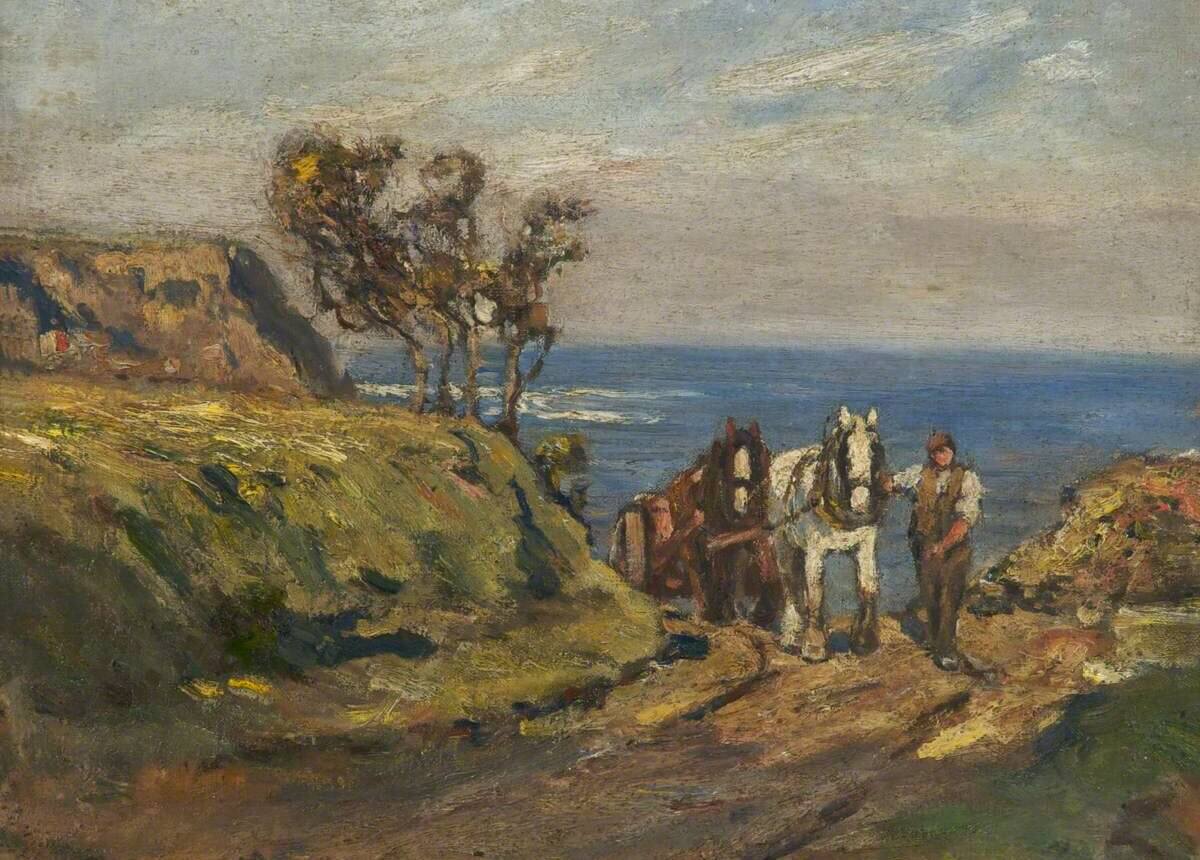
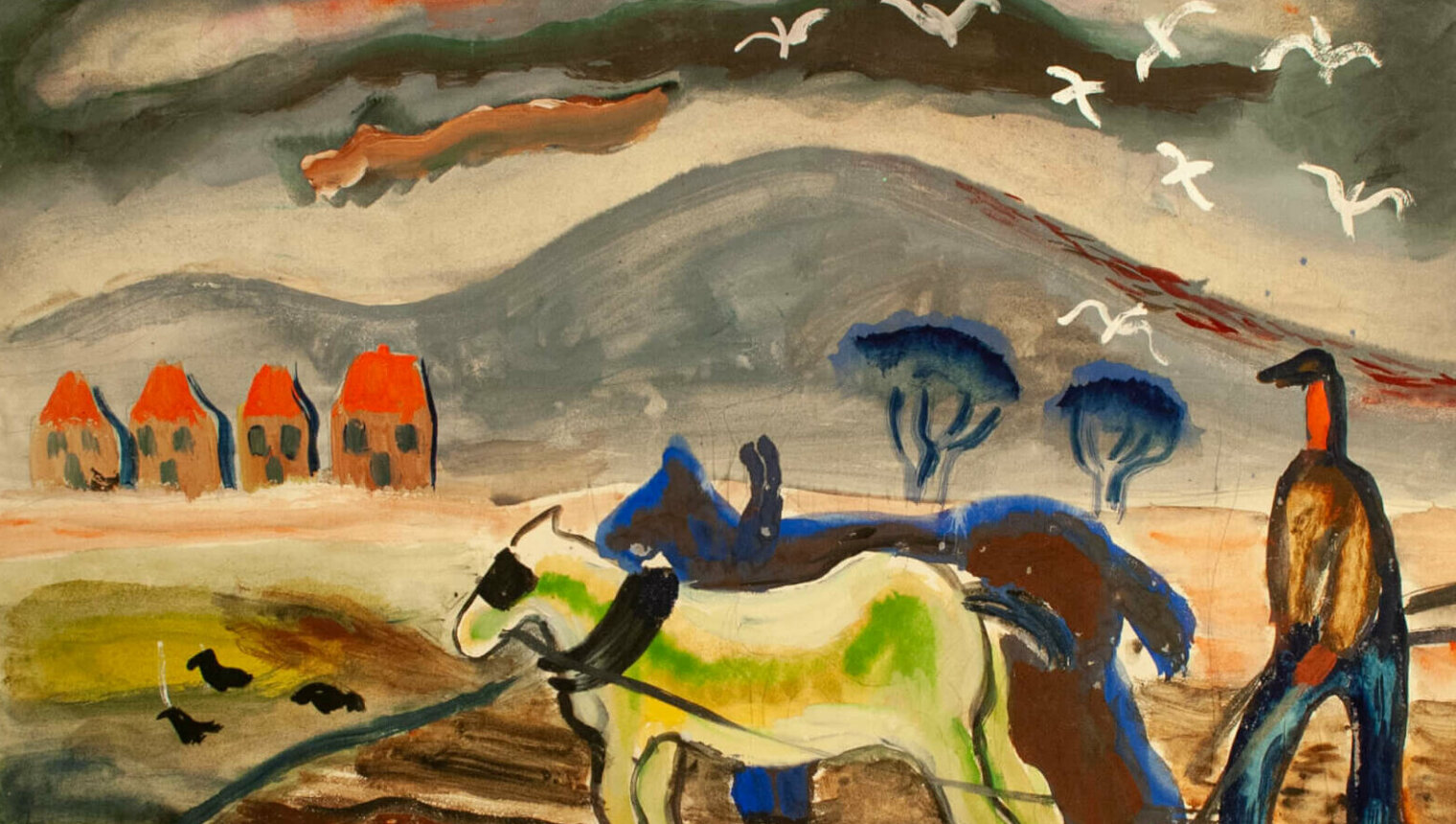
Horses are seen as one of the main working animals. Along with the ox, they were originally used for ploughing and pulling wagons. They fertilised the fields and reduced manual labour for farmers. Ponies were used in mines as early as 1750 in Britain. Due to their small but sturdy stature, they were able to pull the heavy wagons of coal through the cramped tunnels.
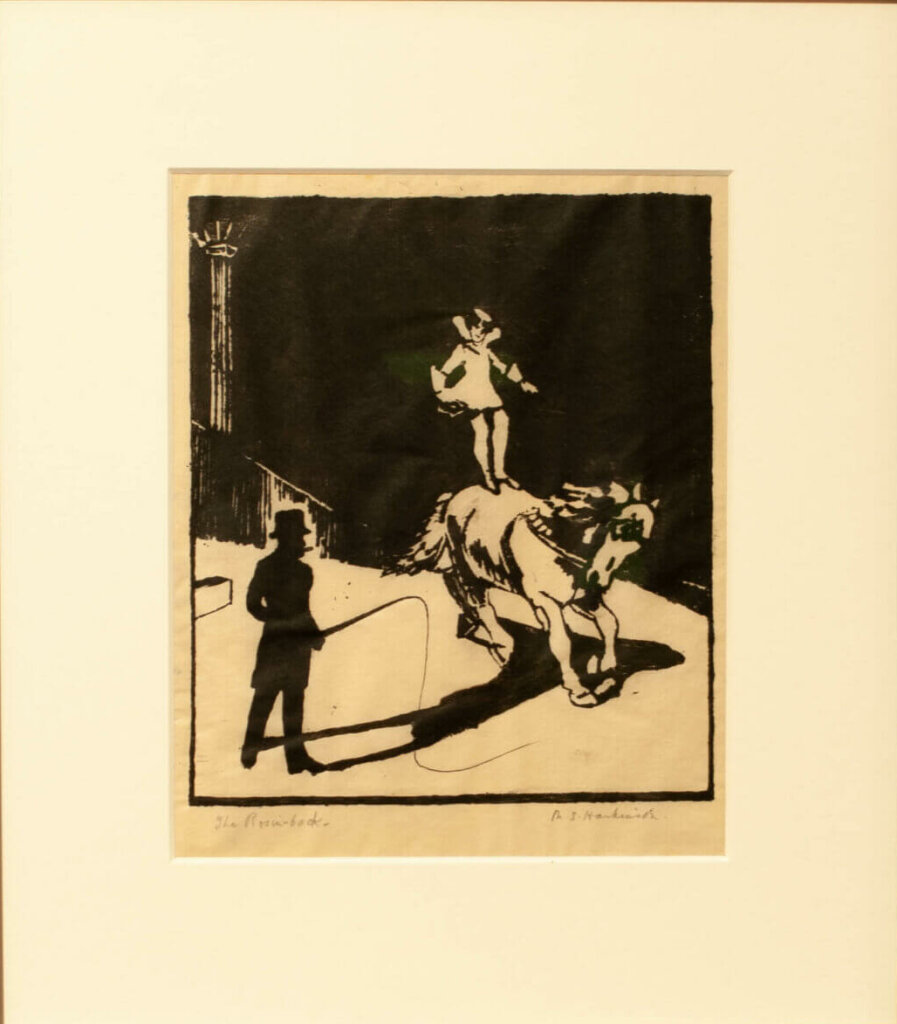
Horses were also used as working animals in entertainment and were one of the main features at circuses. During Victorian times the growing middle classes filled their leisure time with keeping pets, visiting zoos, attending circuses, as well as fishing and hunting.
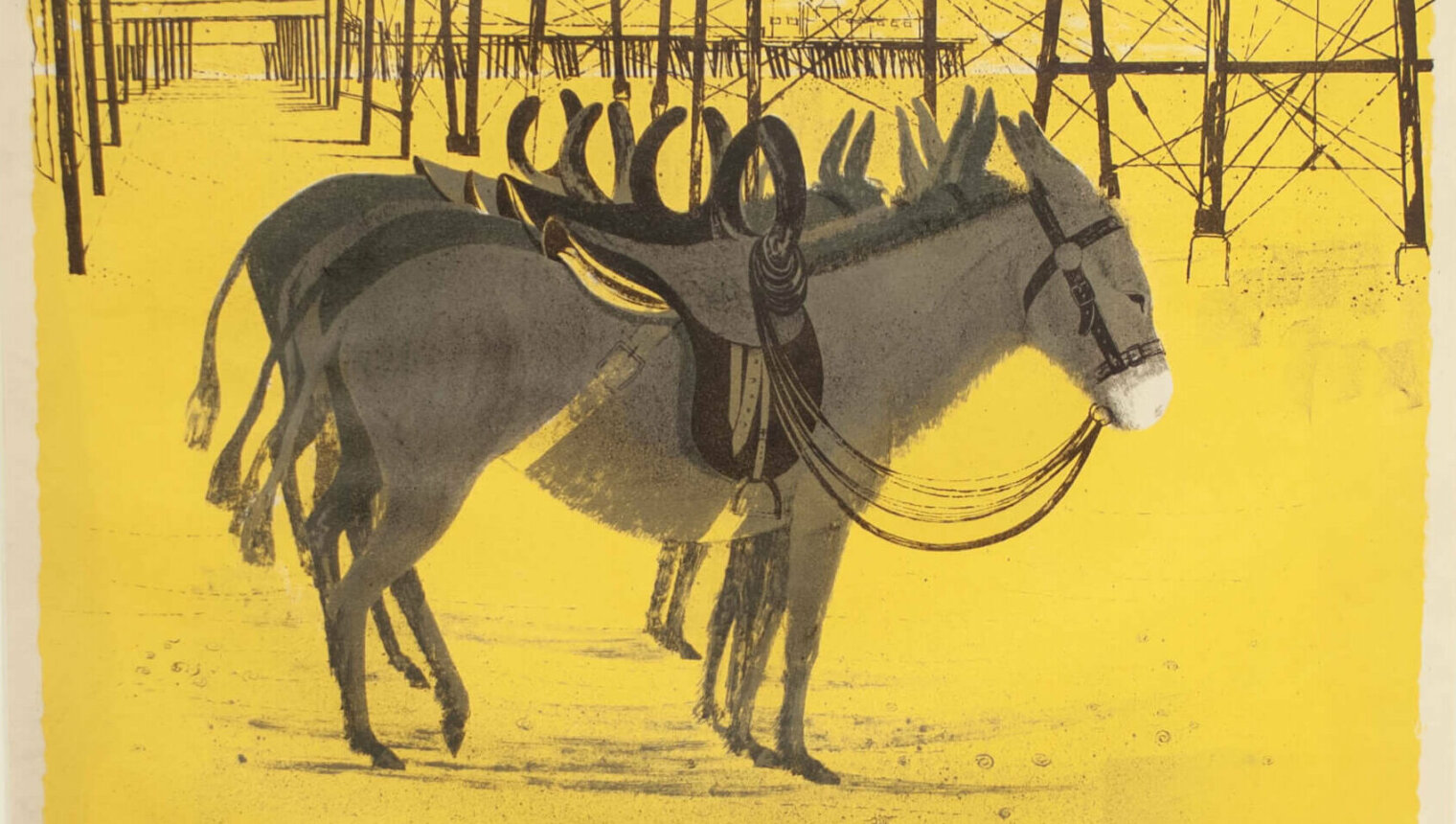
Today working animals are used in a variety of ways. Dogs for their incredible sense of smell to find things like illegal substances and missing people, their speed and agility to help apprehend wanted persons, their territorial behaviour as guards, and their herding instincts to control livestock. Horses, camels and donkeys are used across the world for transport as mounts and many types of animals are used to pull wagons or sleds.
Support animals are used to assist people with emotional and physical needs, as therapy and to provide comfort and security. Close interactions with animals have positive outcomes for people and can help with depression, developmental conditions, can decrease blood pressure and improve mood.
Geese can be used as guards due to their instinctive territorial behaviour. Their very loud honking raises the alarm and scares off predators!
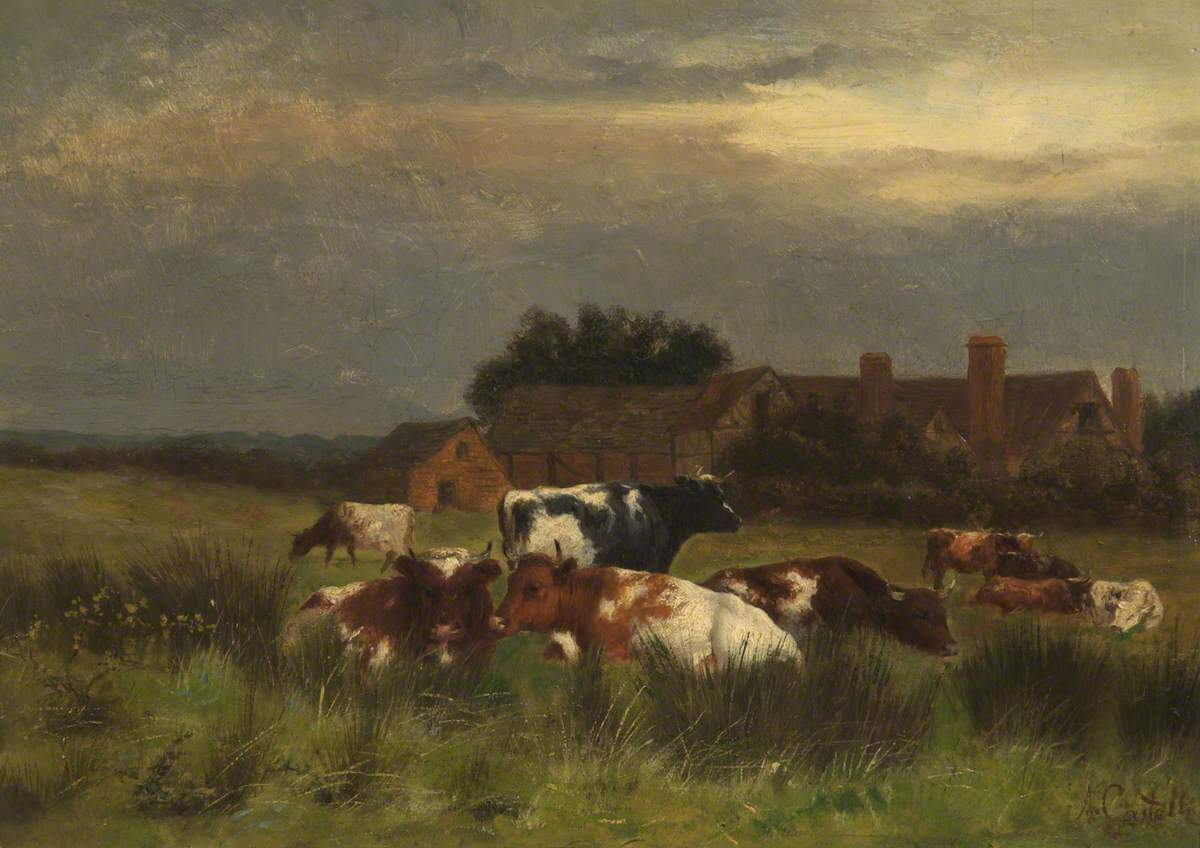
A. Castell
oil on board
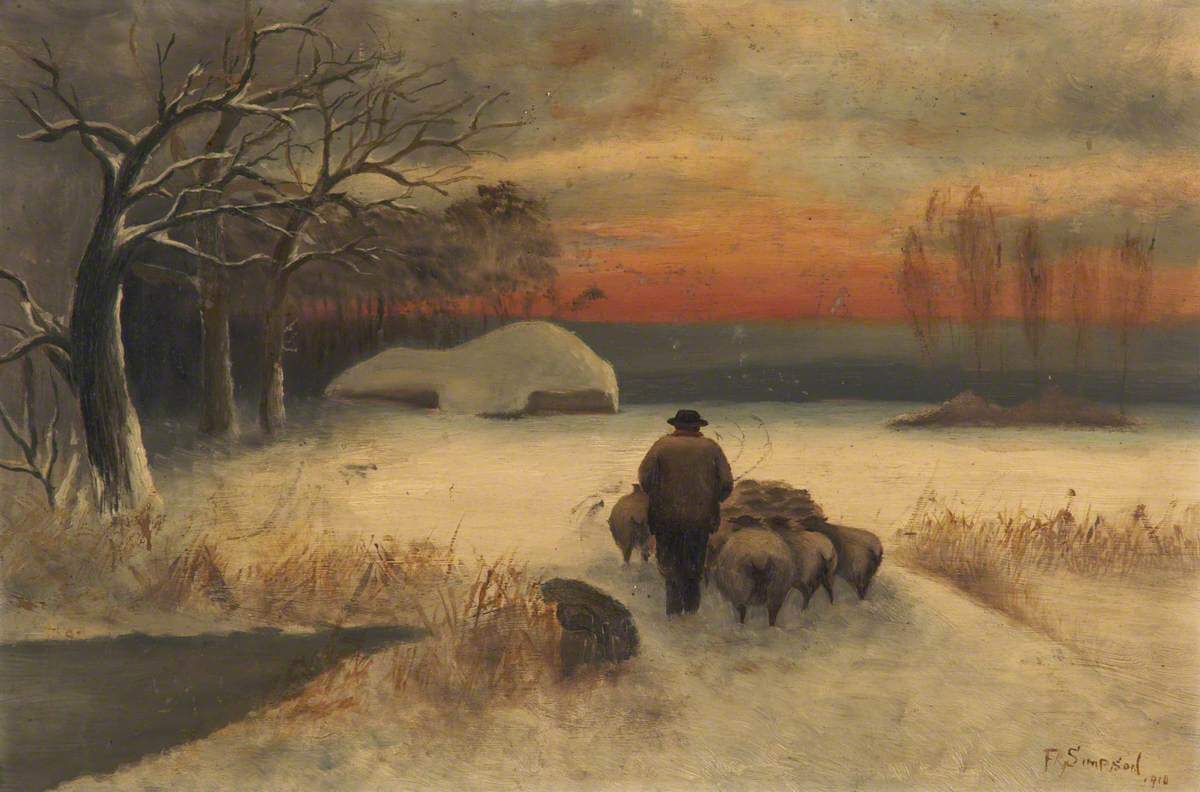
Livestock like pigs, cows, sheep and goats were domesticated for agricultural use as they are herd animals. It is thought that humans could exert their authority over them by becoming the dominant member of the herd. These were meat providing animals and allowed people to give up the nomadic lifestyle and settle.
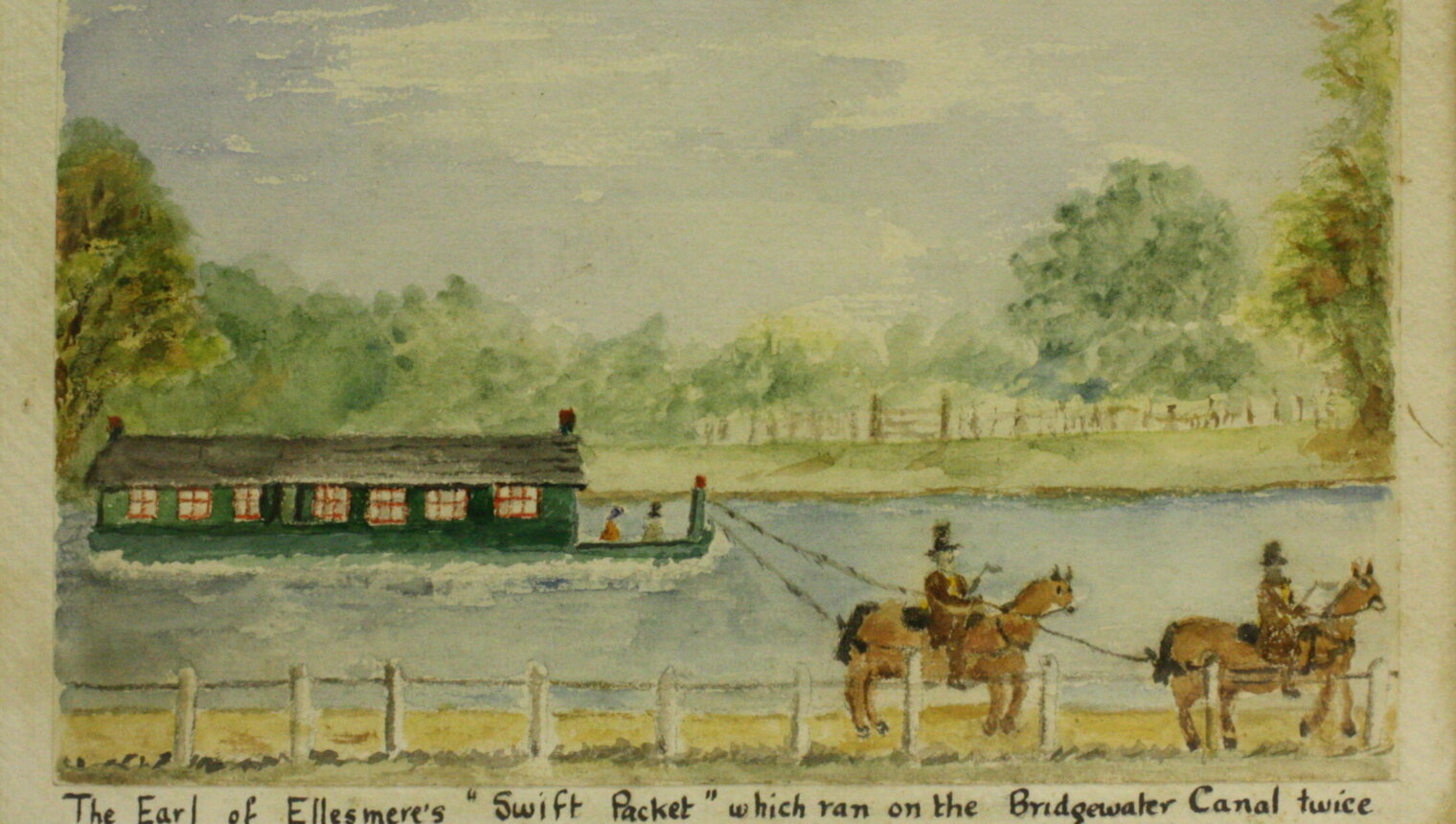
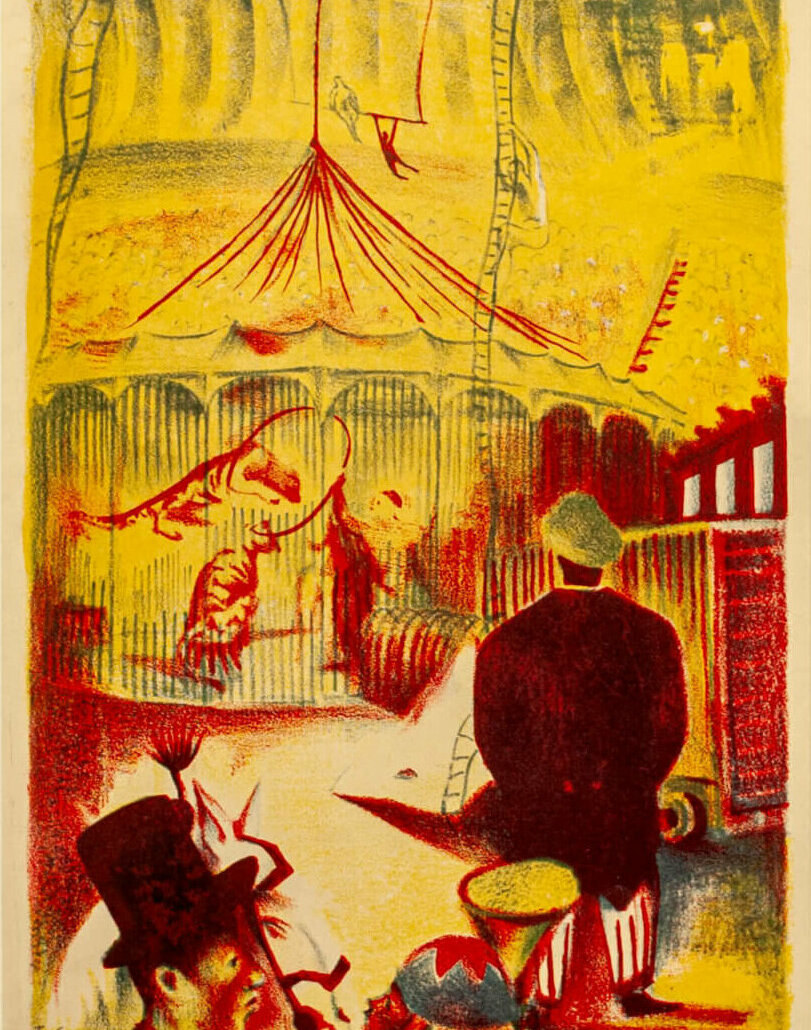
Francis Car
Lithograph
Travelling zoological exhibitions, or menageries, were popular entertainment in the UK during the 18th century. The combination of horsemanship, comic turns and animal acts within a circular structure became known as the circus. Wild animals were incorporated into the acts, such as lion taming and elephant acts, and with royal patronage by Queen Victoria, the circus became an art form and one of the most popular entertainments of Victorian Britain.
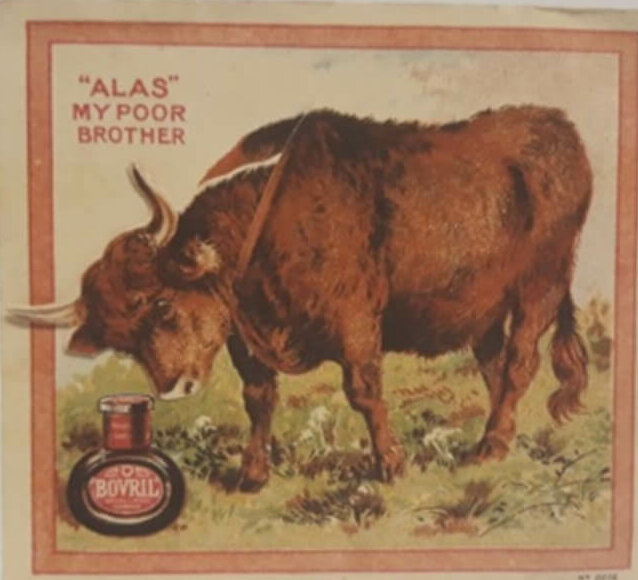
Humans have been fascinated by animals throughout time. They are used for symbolism in art, have different meanings to different cultures, and are used as decoration, toys and characters in stories. Due to the strong emotional bond humans can develop with animals, they are often used in advertising to represent a trait or characteristic. Dogs are used to represent loyalty, horses represent freedom, and owls represent wisdom.
Most prehistoric cave drawings represent animals, not humans. It is thought that humans were in awe of the animals they hunted and by drawing them could exert power over them. Other ancient cultures believed that they could take on a certain animal’s characteristics by eating their flesh. Many religions worship animals as gods, or their gods can take animal forms.
In ancient Greece, the philosopher Aristotle taught his followers that there was a natural hierarchy. He believed humans have rational souls capable of belief, reason and thought, and that animals have limited souls that allow them to feel but not to reason. These teachings influenced Western culture for centuries.
During the medieval period Christianity had great power over the people of Europe. Paganist cults, animal worship and non-Christian beliefs were suppressed. It was believed the devil had animal agents, and the animal most associated with evil was the cat. Many superstitions and customs disappeared with the age of enlightenment when scientific and intellectual advancement swept across Europe from the late 17th century.
Black cats were known as a symbol of witchcraft and thought to be unlucky, especially if they crossed your path. But sailors would choose a black cat as the ship’s cat, as they thought their supernatural powers would protect them at sea.
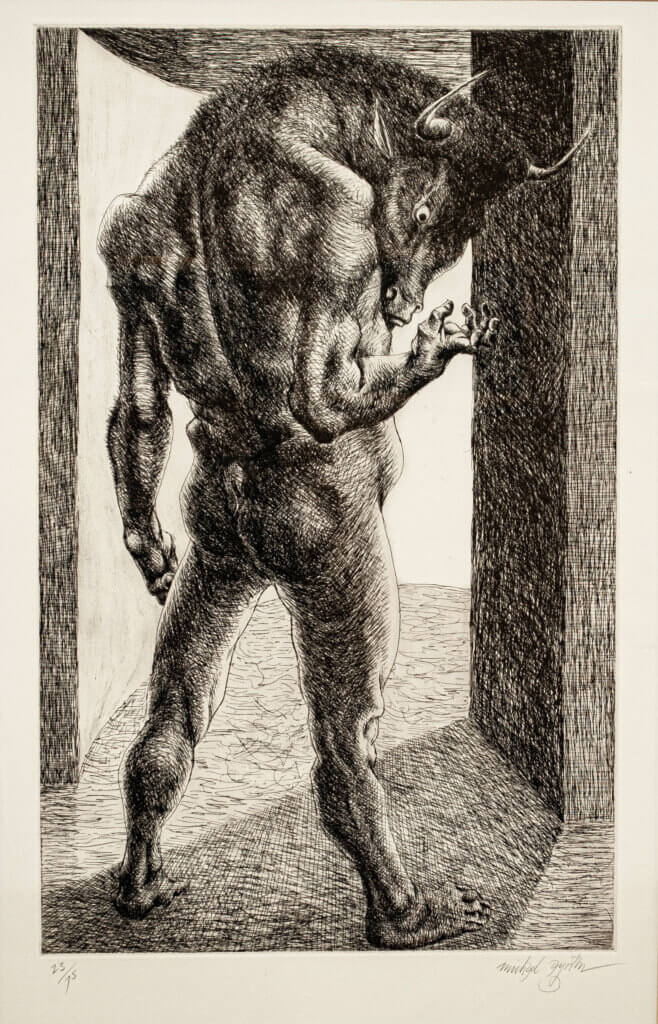
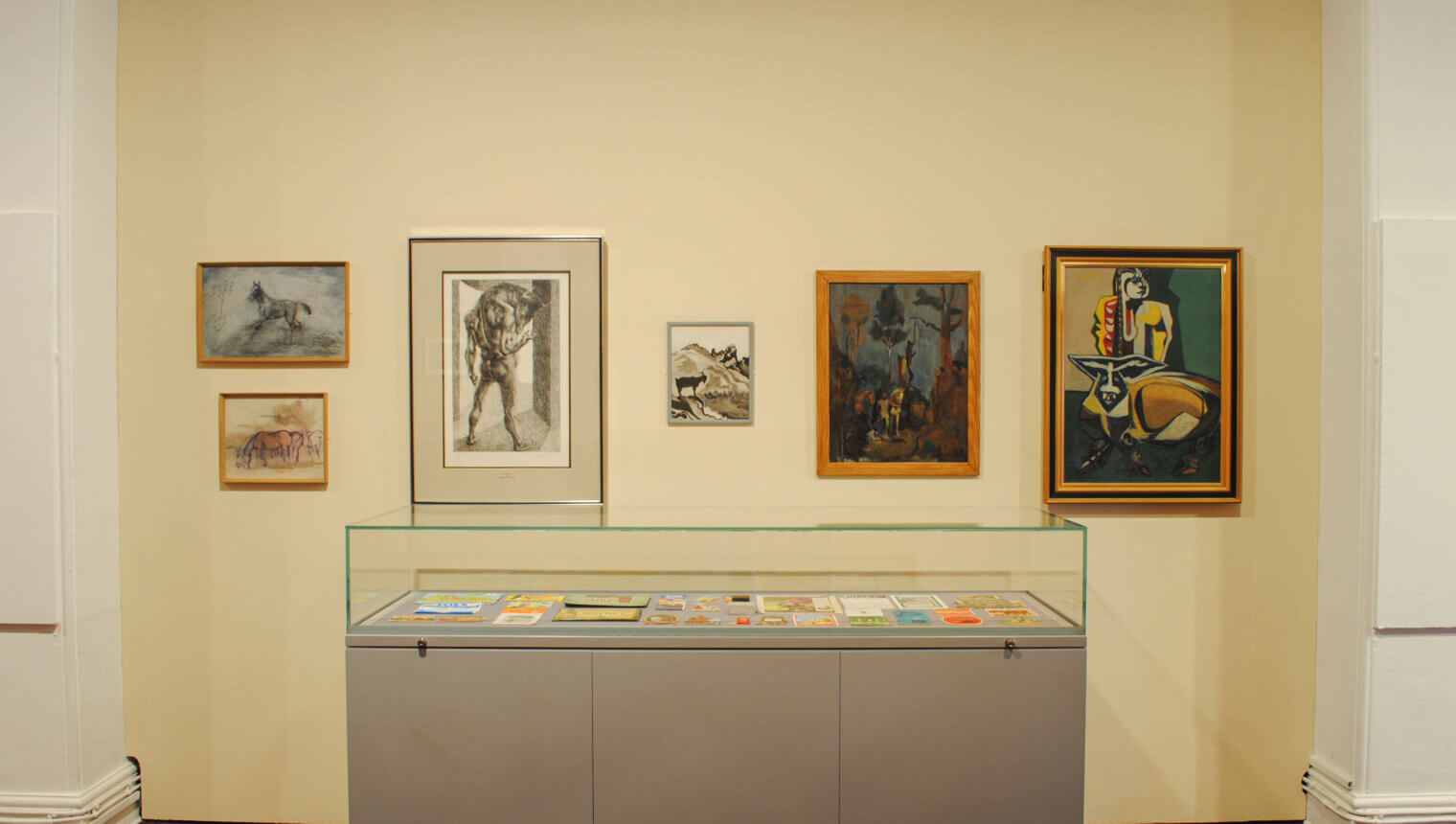
Michael Ayrton
1971
Etching
From the ‘Minotaur’ suite of ten etchings.
Beginning in 1961, Michael Ayrton wrote and created many works associated with myths of the Minotaur and Daedalus, the legendary inventor and maze builder which included bronze sculpture and etchings.
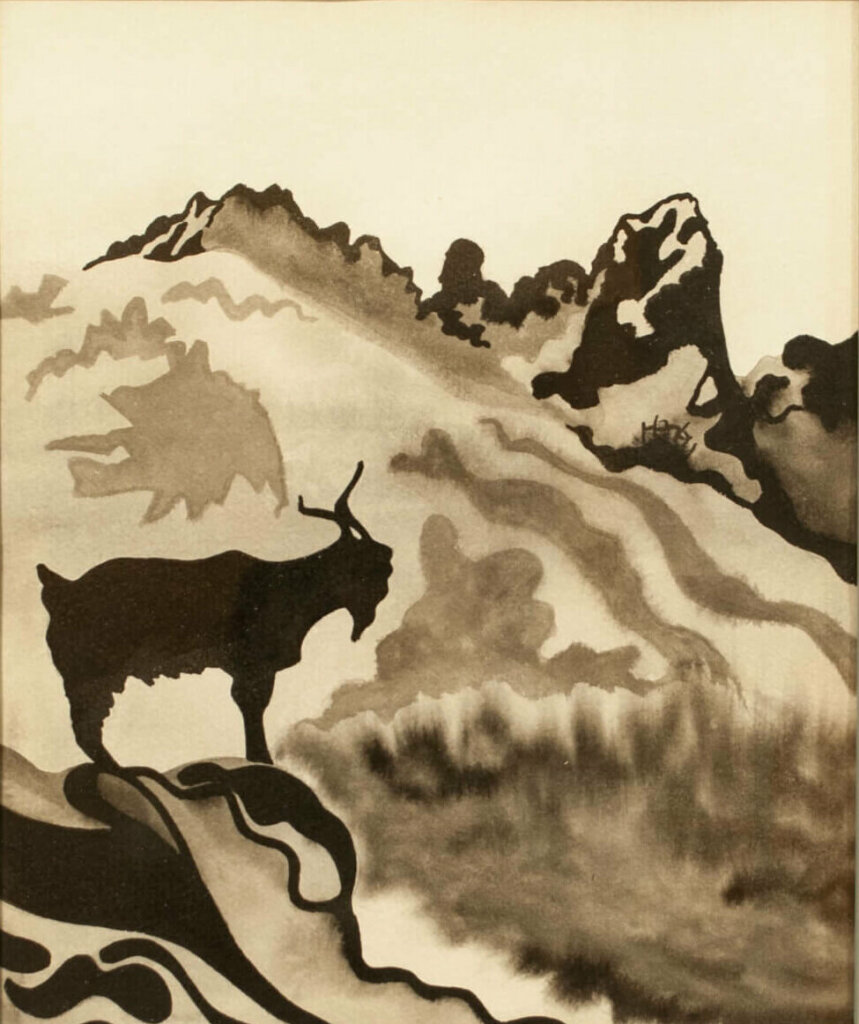
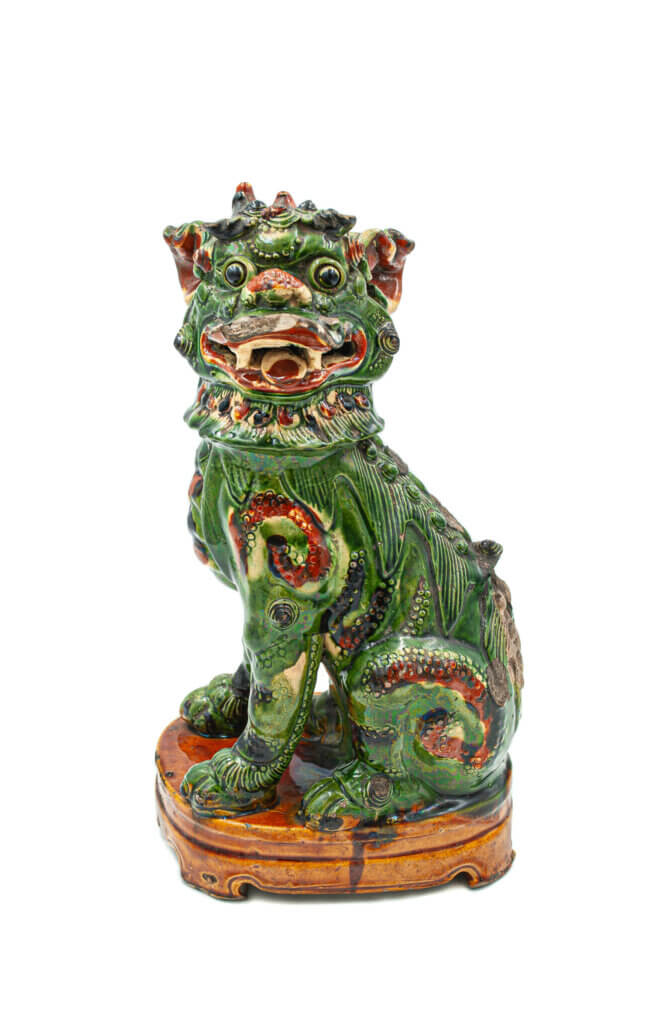
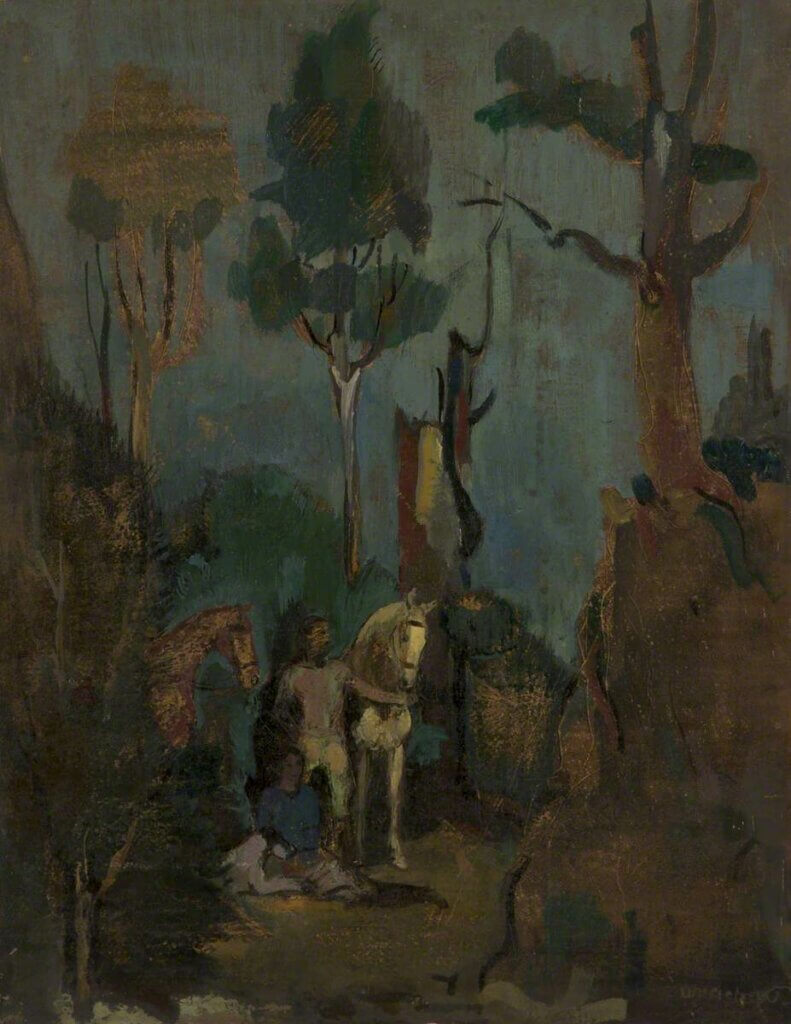
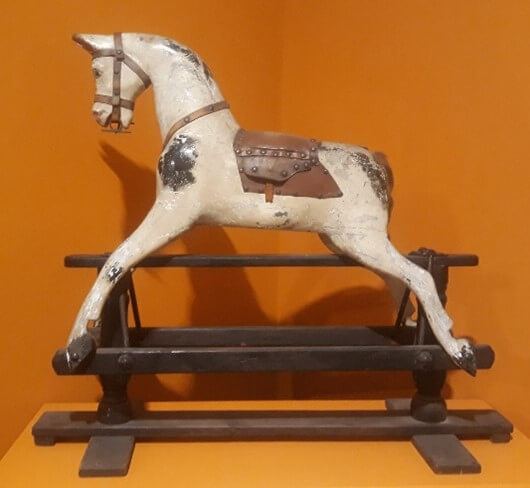
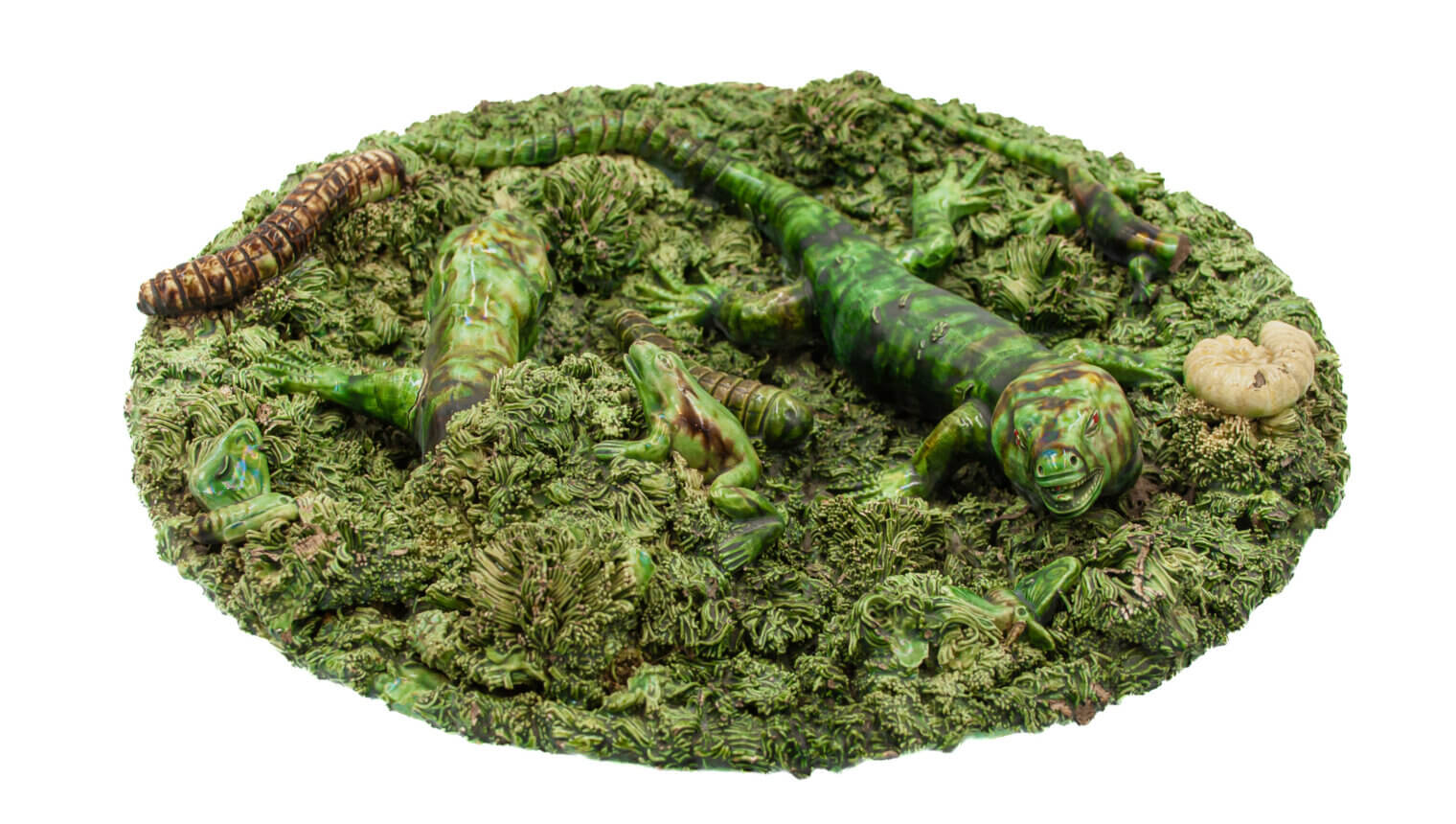
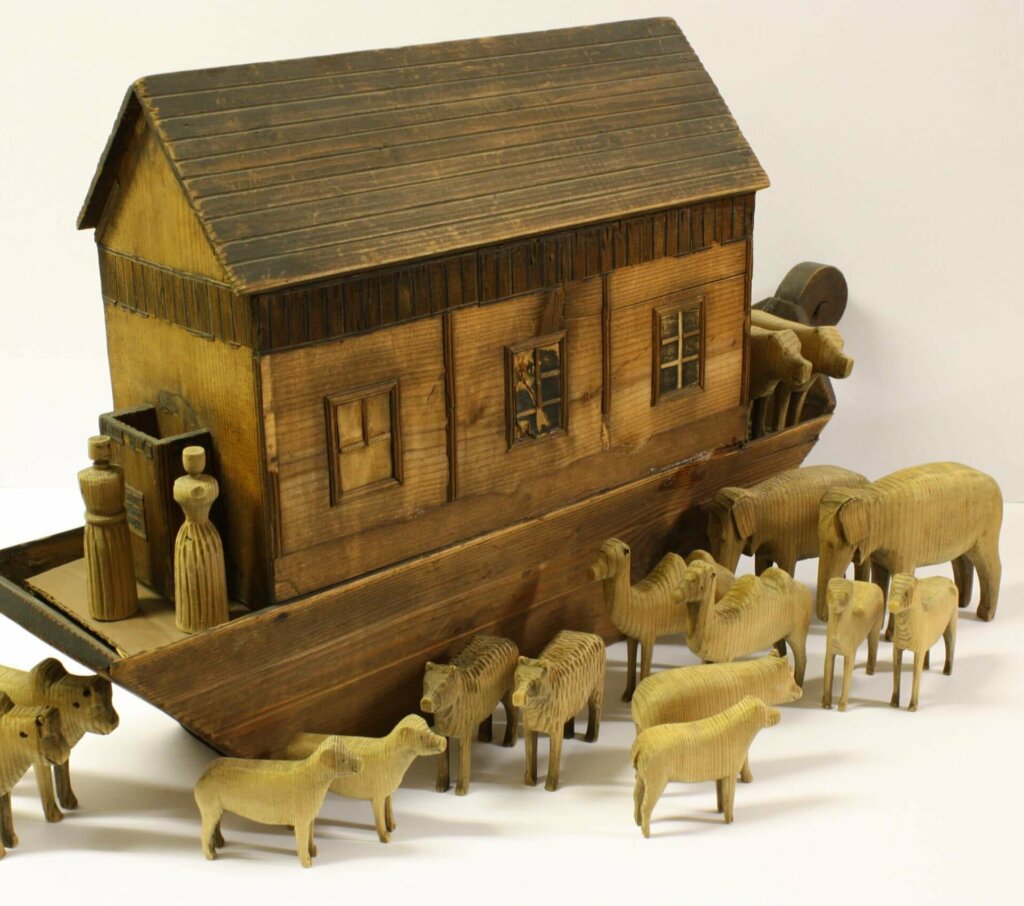
Late 19th/ early 20th century
Unpainted wood
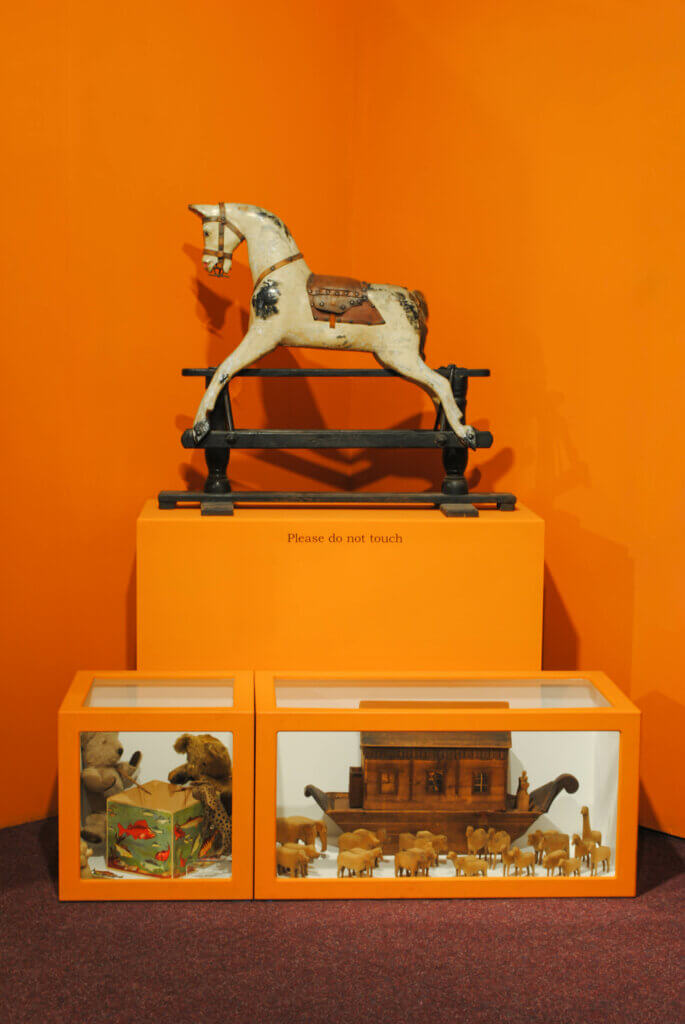
Noah’s Ark toy sets were very popular in the Victorian era for well-to-do families.
It is modelled after the Biblical story of Noah and his ark.
Historically, Sundays were a day of rest for Christian families. Noah’s ark toy sets were the only toys children were allowed to play with on Sundays because of their religious meaning.
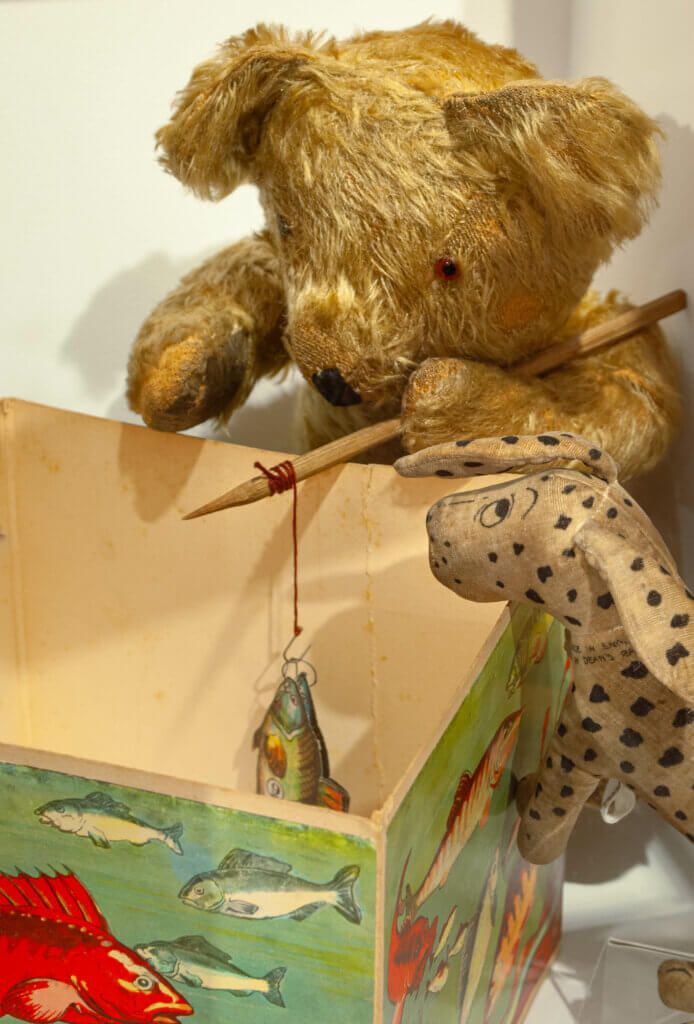
Animals have been used for sport since ancient times, often deriving from a necessity like hunting for food. Since pre-historic times humans have caught fish for food. It is possible that recreational fishing arrived in England with the Norman Conquest in 1066. The most common form is angling which uses a rod, line, reel and hooks. Bait is used to lure fish onto the hooks, like live maggots or handmade ‘flies’.
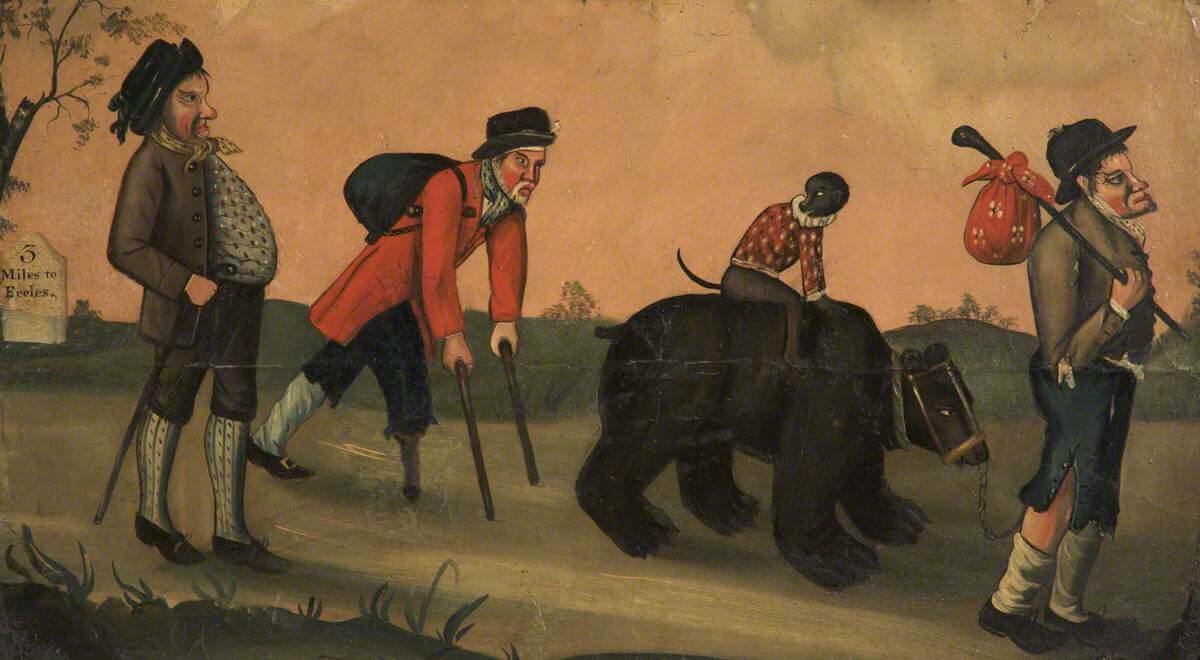
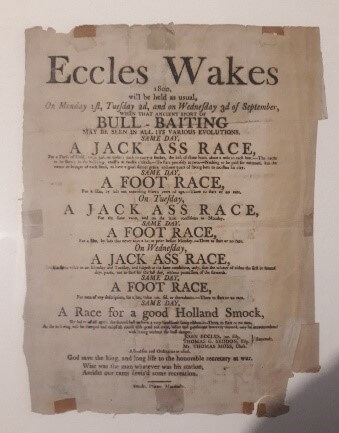
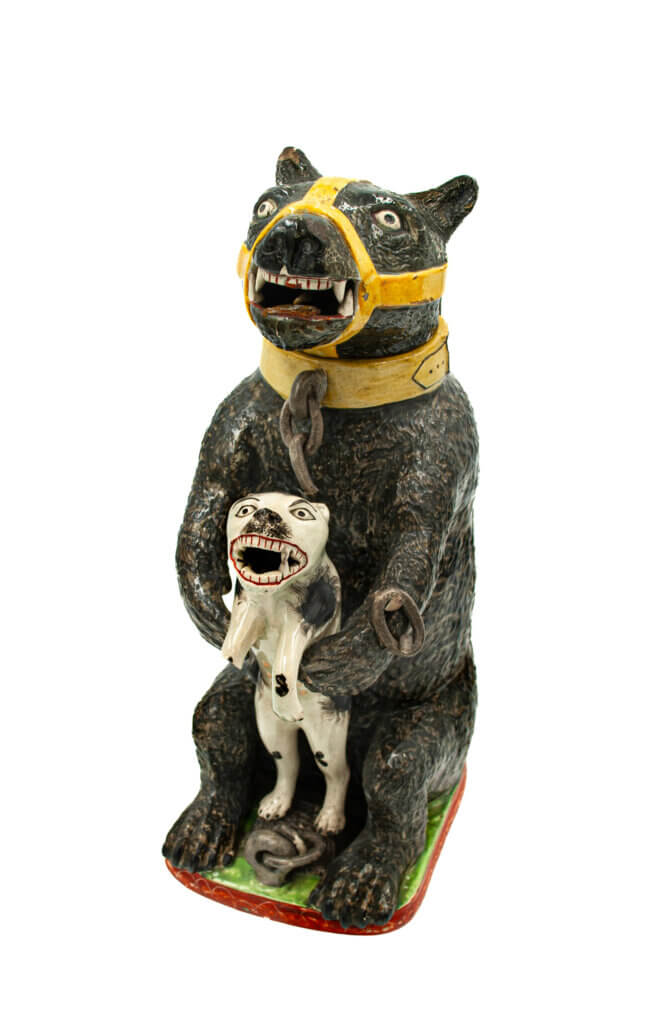
Barbaric sports started in the Roman Empire whose leaders delighted in brutal games for entertainment. Blood sports became popular in England in Medieval times, when dogs, bears, bulls and cockerels fought against each other. People from all social classes would attend and take part in gambling at these events.
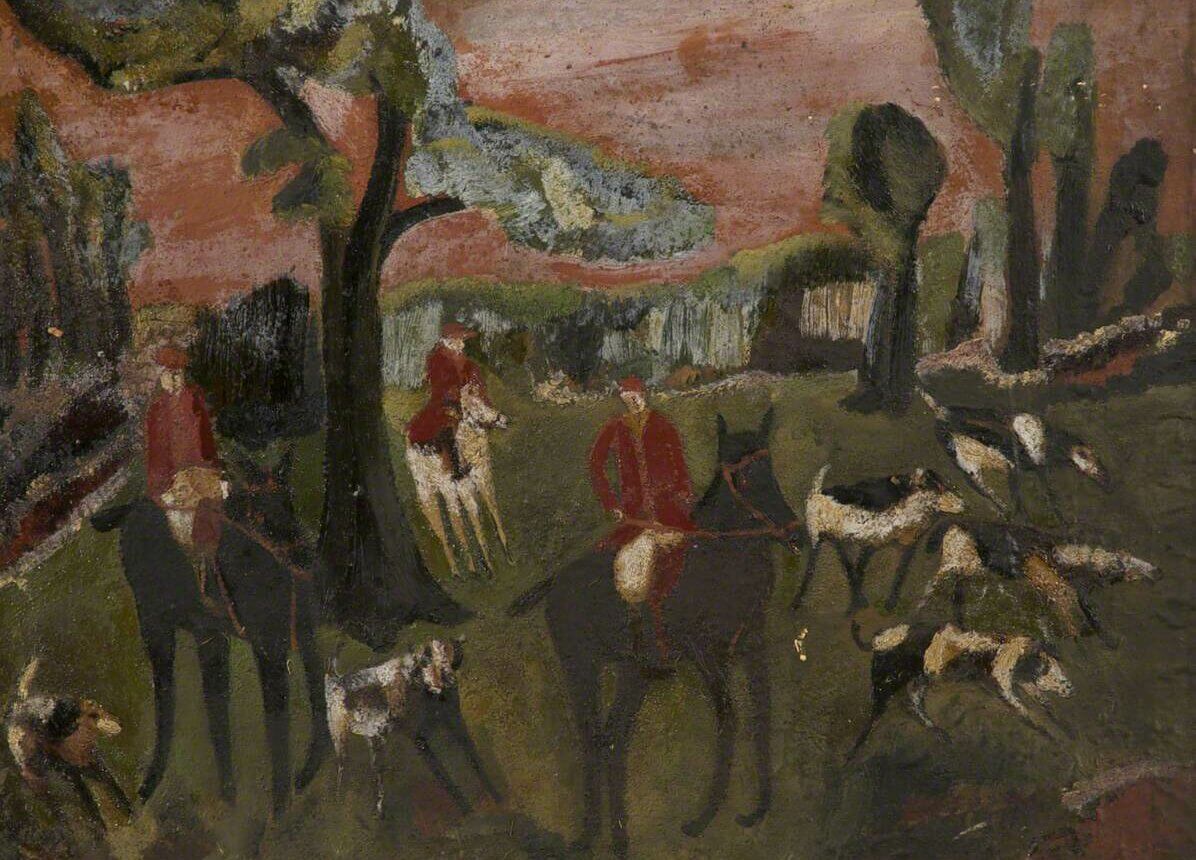
Horse racing started when English knights brought Arab horses back from the crusades in the 12th century. Arab horses were bred with English horses to create the thoroughbred, which is still used in racing today. Fox hunting was seen as a royal sport but started in England as a form of pest control. Hunting with hounds became unlawful in England in 2005, although there are numerous reports of illegal fox hunts taking place after the ban. Drag hunting is permitted where a scent is followed instead of a fox.
During the 17th and 18th centuries, influential people spoke out against cruelty to animals. In 1824 the Society for the Prevention of Cruelty to Animals was set up. This was the first time a group fighting against animal cruelty had legal backup. In 1840 the SPCA became the RSPCA with royal recognition by Queen Victoria. There are many animal rights groups active today who continually fight for the welfare of animals.
The World Snail Racing Championship is held in the UK each year. Numbers are painted on their shells, and they are raced around a small circular track.
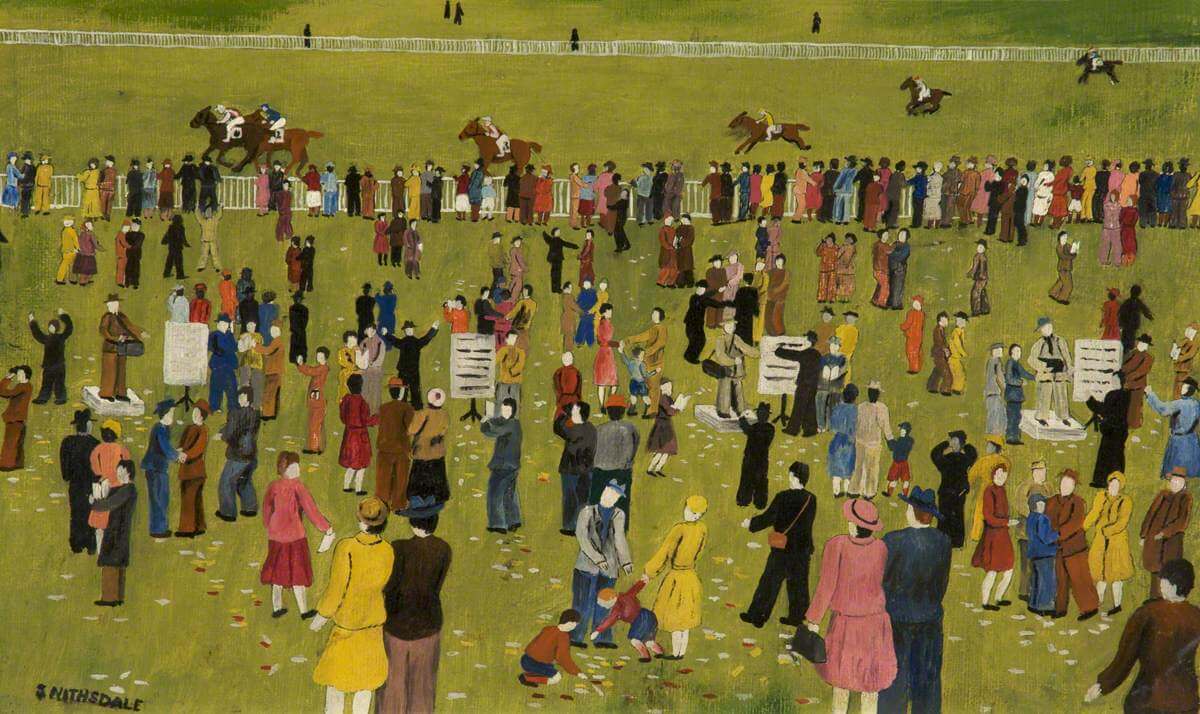
John Maxwell Nithsdale, (1910–1993),
Oil on card,
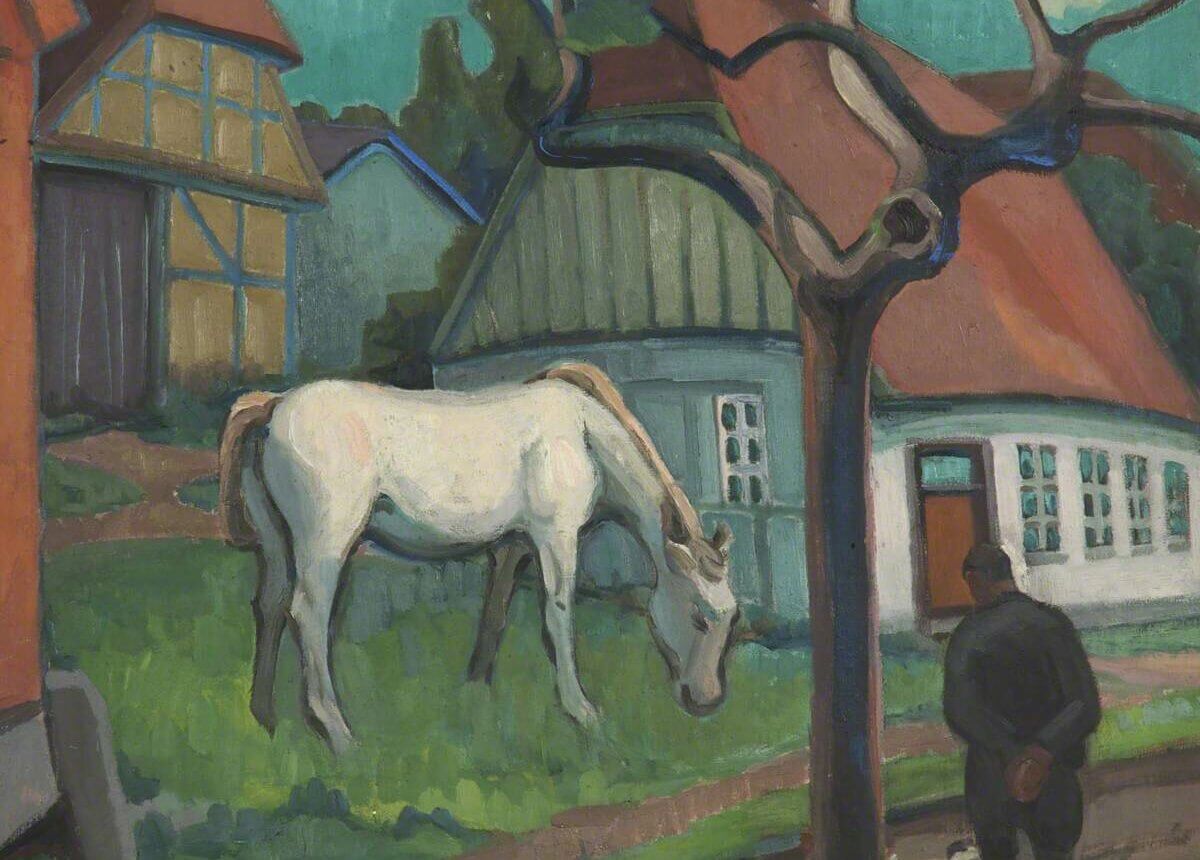
There has been a long tradition of horse racing in Salford. It was home to one of the oldest racecourses in the country, dating back to the 1600s. This was at Kersal Moor which provided the ideal location due to a conveniently positioned hill which enabled spectators to get a good view of the track. Later racecourse locations were at Castle Irwell and Weaste.
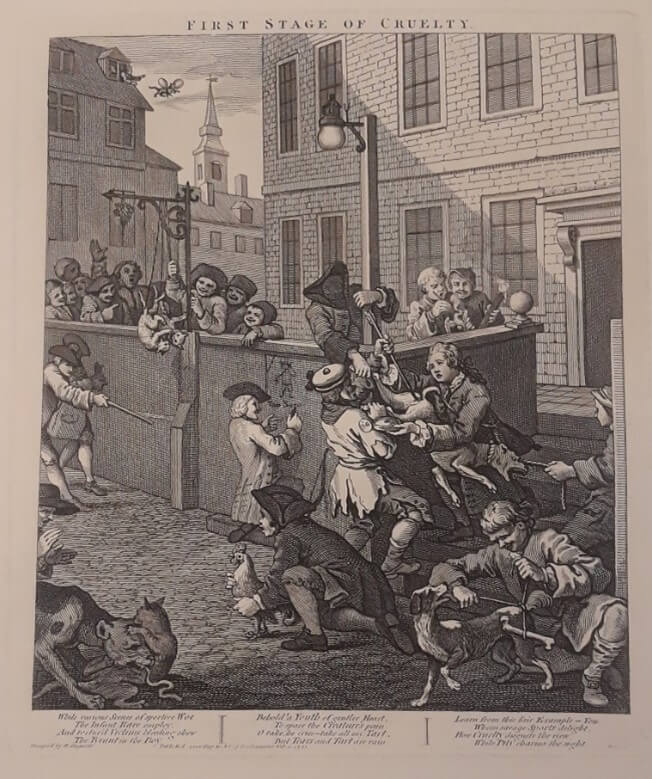
The Four Stages of Cruelty is a series of four printed engravings published by William Hogarth in 1751. Each print depicts a different stage in the life of the fictional character Tom Nero who progresses from cruelty to animals to murder after which he is prosecuted and hanged.
These prints were intended as a form of moral instruction and were inspired by scenes from the streets of London where Hogarth often saw people treating animals with cruelty.
William Hogarth (1697–1764),
19th century,
Print,
Tom Nero, a slum boy, is at the centre of a gathering of boys torturing a dog, whilst a well-dressed boy pleads with them to stop. The scene also shows boys torturing a rooster, hanging cats that are fighting, tying bones to a dog and tossing animals from windows.
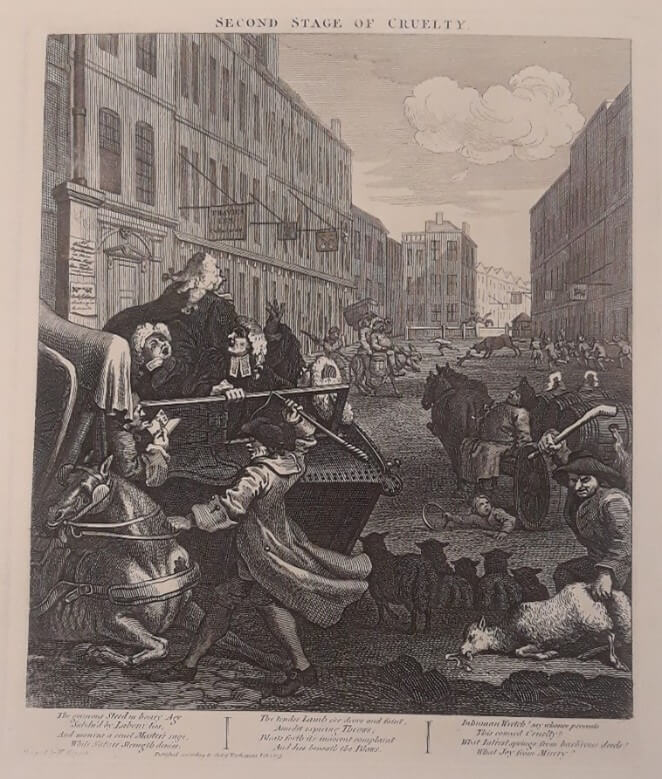
William Hogarth (1697–1764),
19th century,
Print,
Tom Nero is now an adult and a coach driver. He can be seen beating up his horse which has collapsed because of a heavy load of barristers. On the side there is a concerned citizen who appears to be making notes to report this brutality.
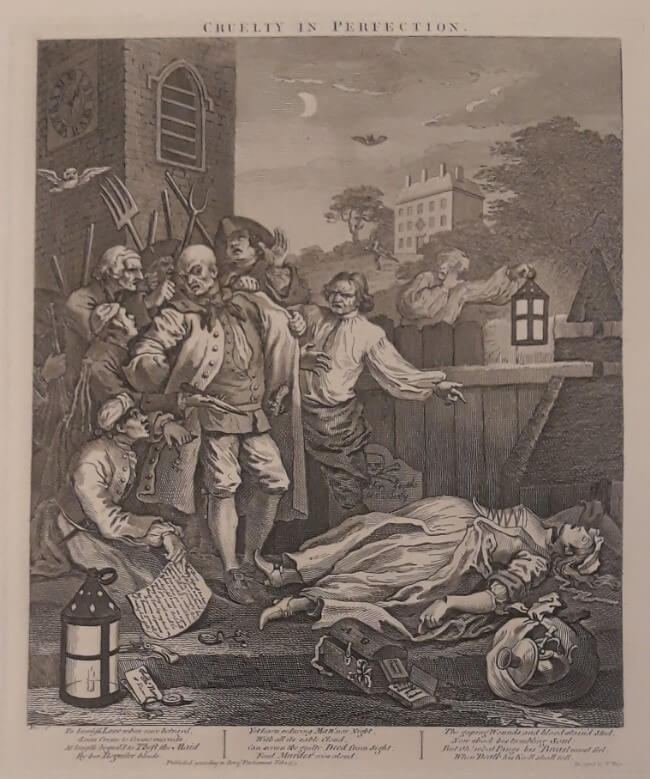
William Hogarth (1697–1764),
19th century,
Print,
Now a thief, Tom Nero has been caught in the act of murder. The victim is his pregnant lover, Ann Gill who has stolen items from her mistress at Nero’s command. The woman’s hands appear to be pointing at an open book written on ‘God’s Revenge against Murder’. Tom Nero and his weapon have been apprehended by a group of farmers.
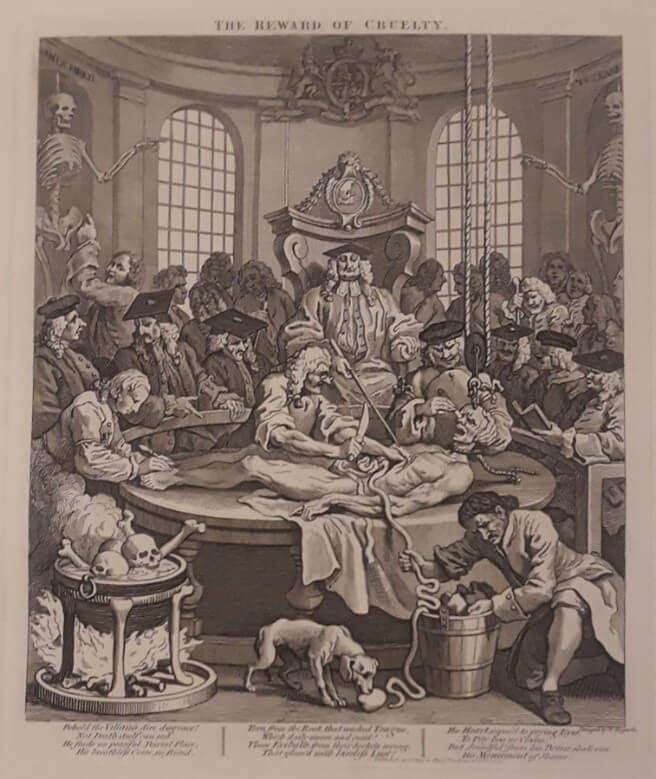
William Hogarth (1697–1764),
19th century,
Print,
This shows Tom Nero has been executed for his crimes and his body delivered for dissection by the students at the Royal College of Surgeons. He seems to be paying for all the cruel acts that he did over his lifetime. On the foreground, a dog is eating his heart; this scene symbolizes revenge on his cruelty to animals in his life.
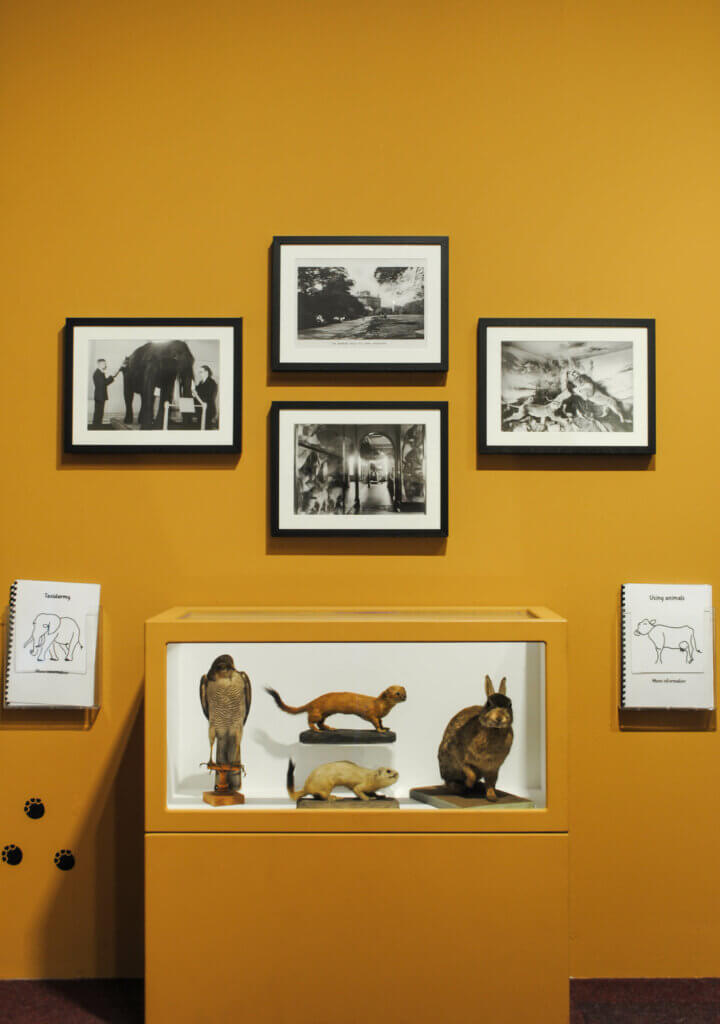
Taxidermy is the process of making realistic representations of animals using their prepared skin and fur. The art of taxidermy developed in the age of enlightenment when interest in natural history grew. Exotic animals and birds were brought back from other countries and preserved as a spectacle on display or used to flaunt as trophies from hunting and fishing expeditions. Chemicals are used to preserve skin, hair and feathers from decay and insects. By the 19th century taxidermy was a well-established art form in museums and realistic scenes were produced.
Salford Museum and Art Gallery used to have a collection of taxidermy. It was on display in some of the galleries you are in today. Unlike other museums Salford did not inherit an existing collection but had to begin collecting from scratch. When the museum began collecting it did so with the idea of ‘bringing the world to Salford’. Alongside painting, sculpture, decorative arts, ethnography, archaeology, and coins, they also gathered a large collection of natural history.
In 1906 the taxidermy collections were transferred to Buile Hill which opened as a natural history museum. This transfer released valuable exhibition space and allowed for the rearrangement of the fine and decorative art collections at Salford Museum. When Buile Hill closed in the 1970s, the natural history collection was transferred to other museum collections.
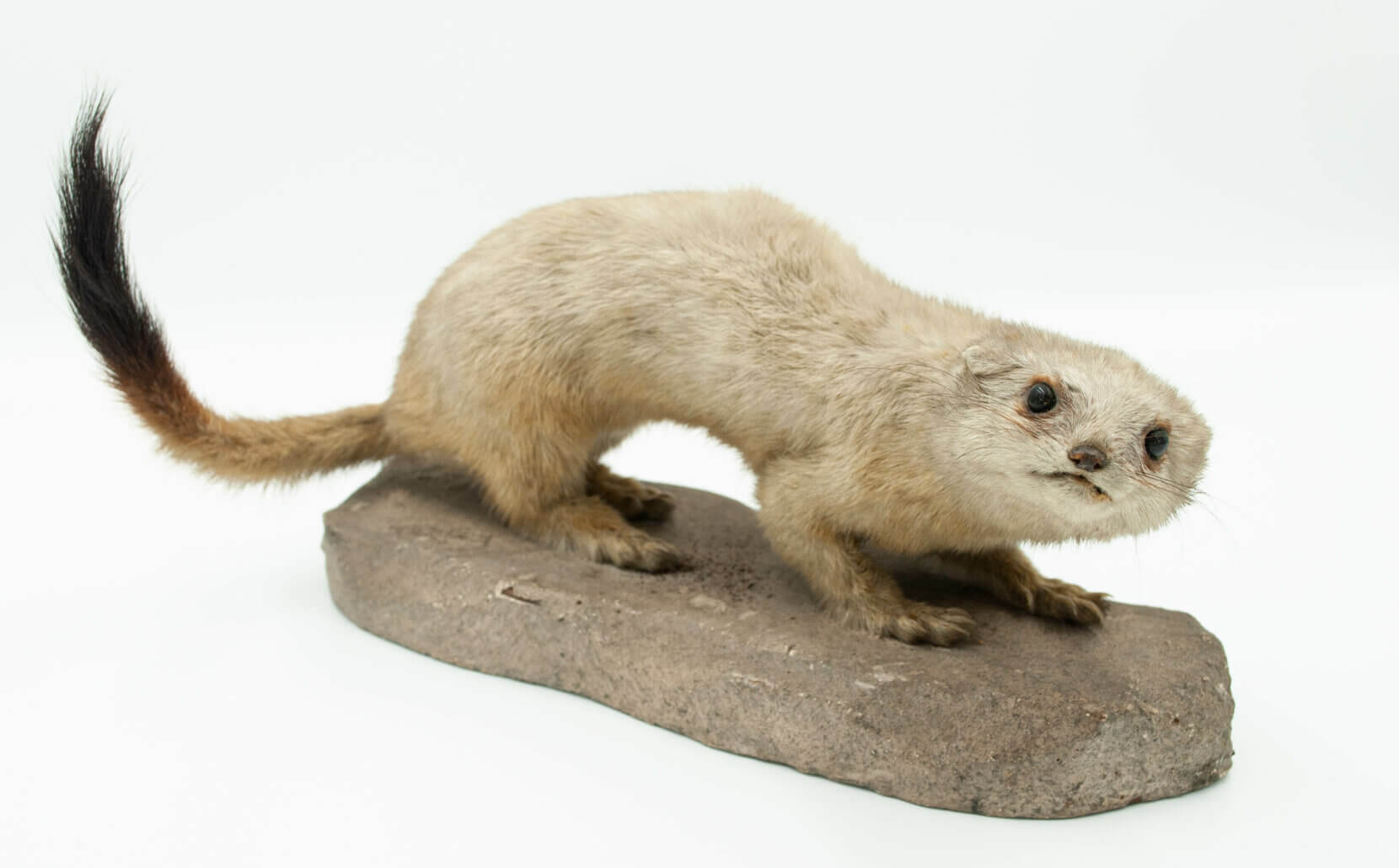
A few of the taxidermy items that were on display at Buile Hill Natural History Museum are still at Salford Museum. Unfortunately we do not have any information about them.
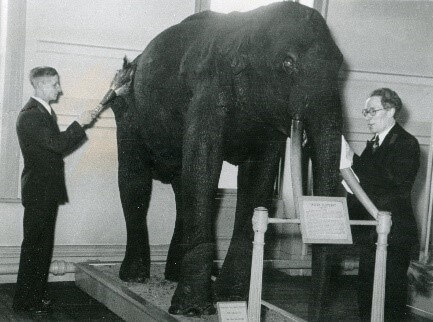
This image shows the museum curators cleaning the displays. Buile Hill had many impressive animals in their collection, including this taxidermy elephant.
Many products derived from animals have been taken by humans throughout time. Fur has been used for warmth, bones to make tools, flesh to eat, and skin to make leather. The overuse of certain species has contributed to endangering them. Many believe that it is morally wrong to use any part of an animal for anything.
Animals are used for research in medicine, household products and cosmetics. In the 1600s medical researchers had permission to use executed prisoner’s bodies to perform autopsies on. The study of human and animal anatomy was essential to advancing medical care.
Philosophers such as Descartes (1596 – 1650) put forward the theory that animals were mechanical things, that did not feel pain, which made experimenting on animals without anaesthetic socially acceptable. While animals are still used in experimentation there are only exceptional circumstances where it would be permissible to not use anaesthesia.
There are many laws in place today that try to protect animals and many groups that protest for better treatment, welfare, and conservation. The UK government has guidelines on welfare standards for farm animals. Many zoos are more concerned for the welfare of captive animals by improving their environment, running breeding and conservation programmes, and enriching the animal’s lives.
Cows are a sociable animal and form bonds within their herd. They have a memory of about 3 years, and it is thought they can sense a storm coming and will lie down!
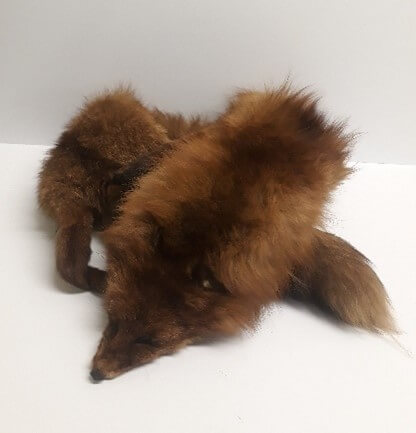
c1950s,
Made from fox fur,
Fox furs became popular in the 1930s with the entire animal being draped around the shoulders, or sometimes two would be worn at once with their noses meeting on one shoulder. In the past real fur was seen as a symbol of royalty and so wearing fur became a status symbol.
Fur farming has been banned in England and Wales since 2000 and in Scotland and Northern Ireland since 2002. There are also restrictions on the import of fur from domestic cats and dogs, commercial seal hunts and wild animals trapped for their fur.
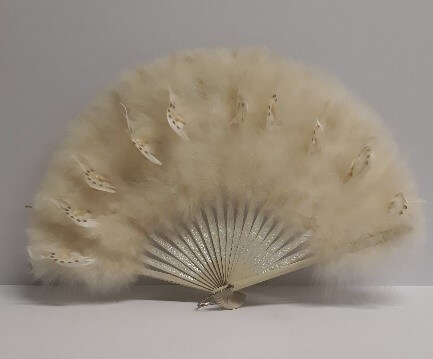
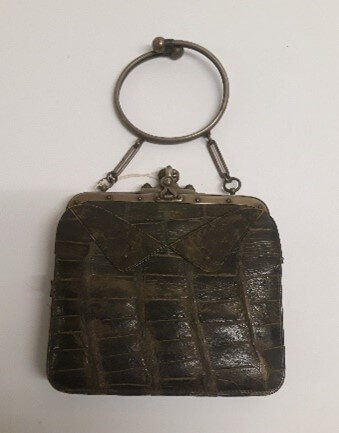
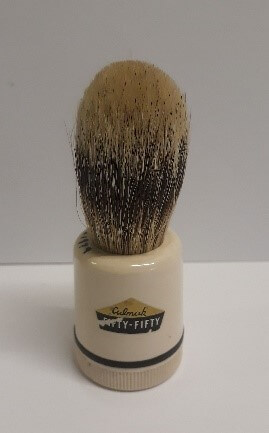
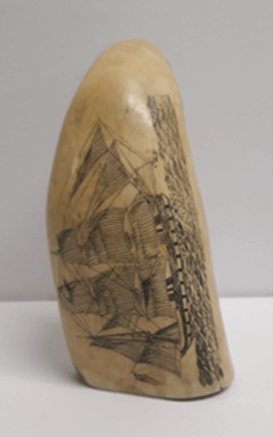
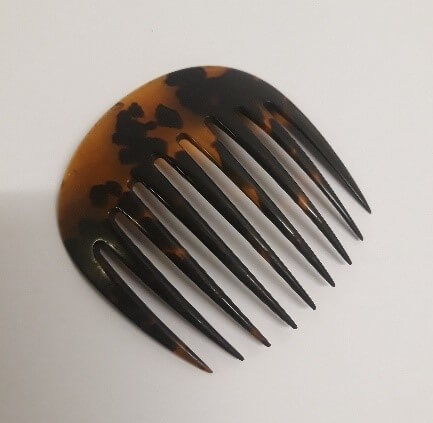
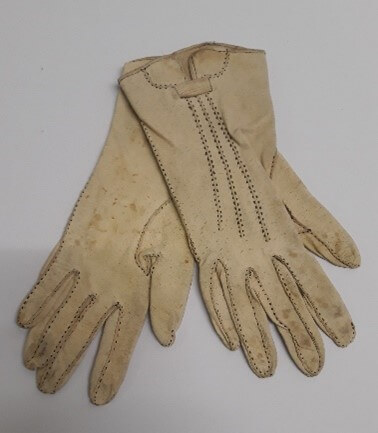
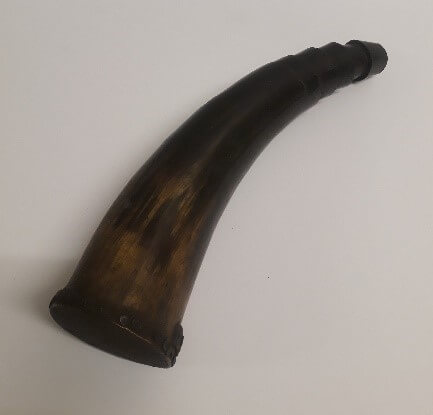
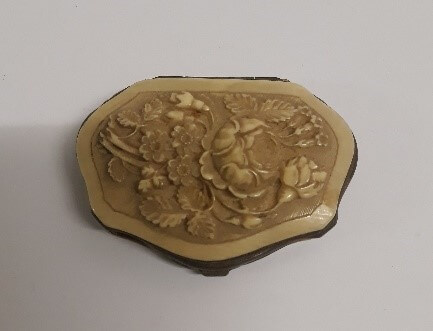
c1870
Made from ivory with a metal frame
In the past ivory was a popular material for carving amongst craftsmen, due to its creamy colour and smooth texture. However, its use has had a major impact on the elephant population and a global ban on the international trade in ivory went into effect in 1989.
Sign up to the Salford Community Leisure mailing list and be the first to find out about our latest news, offers and forthcoming events across our services.